If your workday starts at home, the right office setup is not a luxury. In Wilton, it can be a key part of how well a house fits your daily life. Whether you need a quiet place for video calls, room for a full workstation, or a layout that supports a hybrid commute, knowing what to look for can help you buy more confidently. Let’s dive in.
Why home offices matter in Wilton
Wilton’s housing and lifestyle trends make home office space especially relevant. The town’s 2024 population estimate was 19,255, and Census QuickFacts reports that 97.9% of households have a computer and 97.6% have a broadband subscription. With a mean commute time of 35.9 minutes and an owner-occupied housing rate of 88.6%, work-from-home functionality is clearly a practical priority for many buyers.
Wilton also has a distinct character that shapes how office space shows up in homes. The town describes itself as a residential New England community with preserved historic homes, open land, and a semi-rural to suburban feel. Its Plan of Conservation and Development also points to telecommuting as part of the town’s ongoing evolution.
What Wilton homes usually offer
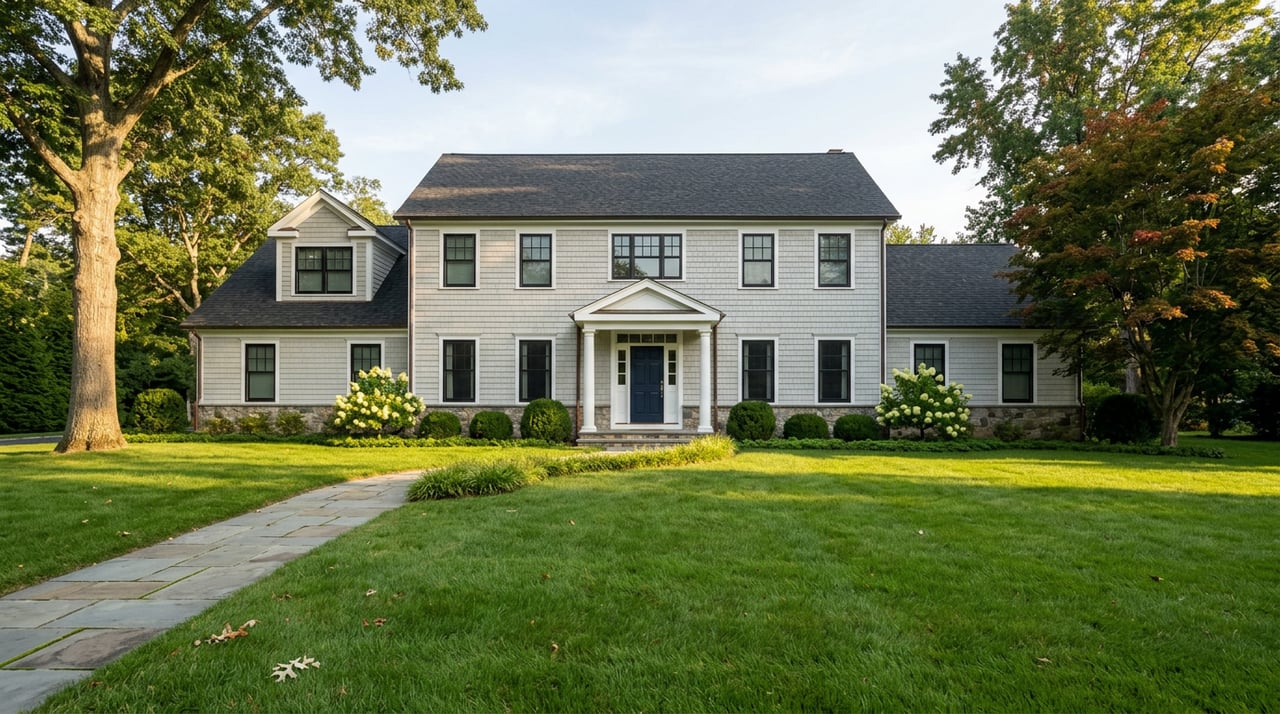
Wilton’s housing stock gives you an important clue about what to expect. According to the town’s planning documents, about 89% of housing is detached single-family homes on 1- and 2-acre lots, and roughly 90% of homes are more than 20 years old. That means many buyers are not finding a brand-new, purpose-built office suite. Instead, they are evaluating how an existing room can serve the job.
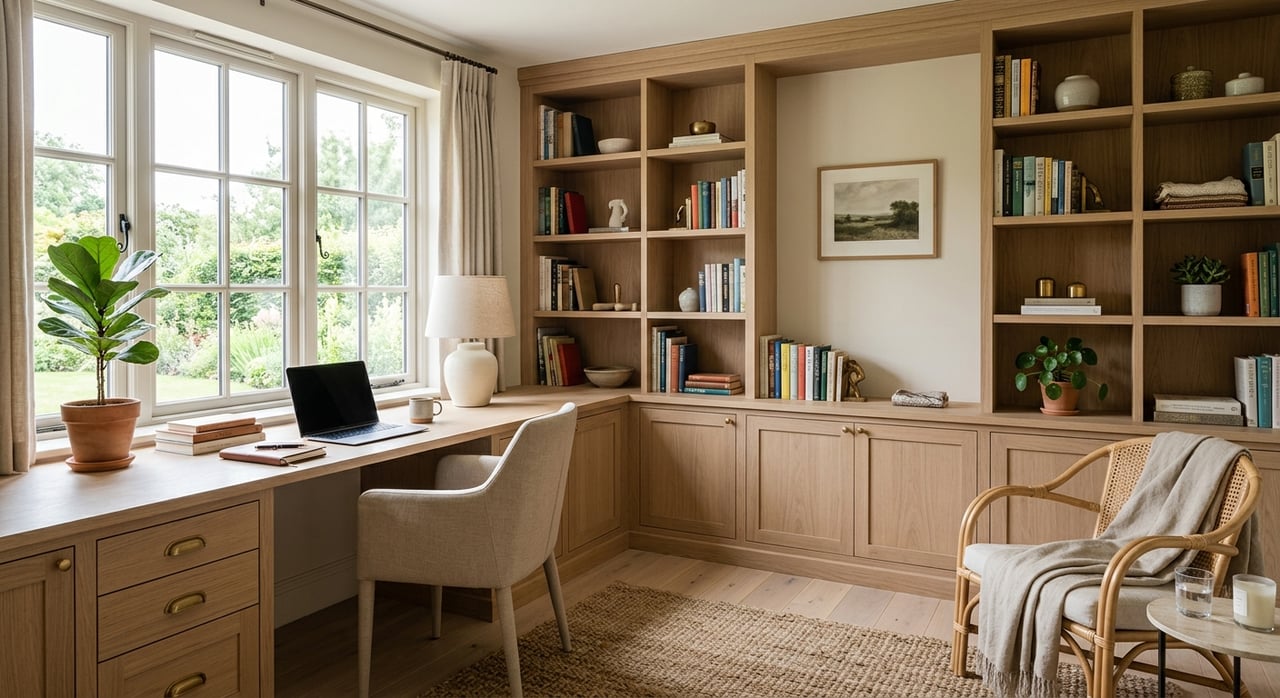
In practical terms, the best office in a Wilton home may be a spare bedroom, formal room, den, or upper-level room with a door. In some homes, an open-plan layout may look appealing at first but feel less workable once you imagine daily calls, meetings, and focus time. The key is to judge the room by function, not just by name.
Start with privacy and layout
When you tour homes, privacy should be one of your first filters. If the room sits directly off the main kitchen or family room, think about what that will feel like during a busy weekday. A space that closes off from the main living area will usually support better concentration and cleaner video calls.
It also helps to think through how the room fits into your routine. If you work early or late, a bedroom-adjacent office may be less convenient for others in the home. If you take frequent calls, a first-floor room near the entry may create more interruptions than expected.
Signs a room may work well
- A door that closes fully
- Enough distance from the kitchen, TV room, or laundry area
- Wall space for a desk and monitor setup
- Floor space for a chair to move comfortably
- A layout that allows you to control background noise
Light matters, but so does glare control
Natural light can make a home office feel inviting, but too much direct or reflected light can create real problems. OSHA notes that excessive or reflected light may cause eyestrain and headaches. It recommends placing the monitor at a right angle to windows or other bright light sources, along with using blinds, drapes, or lighting that limits screen glare.
That means a bright room is not automatically the best office. In Wilton homes, especially older ones with established window patterns, you should look for controllable daylight rather than just maximum sunlight. A room with good light and the ability to soften it can often perform better than a room with dramatic but unmanaged exposure.
What to check during a showing
- Where the windows sit in relation to a likely desk location
- Whether shades, blinds, or drapes are already installed
- If overhead lighting feels harsh on a screen
- Whether there is room for task lighting without crowding the desk
Make sure the room fits a real workstation
A pretty corner with a small writing desk may photograph well, but it may not hold up to daily use. OSHA recommends a neutral body position when using a computer workstation, including elbows roughly between 90 and 120 degrees and feet supported by the floor or a footrest. In simple terms, your office needs enough depth and floor space for a proper setup.
When you walk through a home, picture your actual workday. Can the room handle your desk, chair, monitor, laptop, and storage without feeling cramped? If not, the space may function better as a flex room than a true office.
Practical size questions to ask
- Is there enough wall space for your desk width?
- Can you place the monitor without facing direct glare?
- Is there enough depth for a chair to pull back easily?
- Will cords, outlets, and equipment fit cleanly?
Don’t overlook ventilation and comfort
Comfort affects productivity more than many buyers realize. OSHA advises maintaining air circulation and avoiding desks placed directly under air-conditioning vents. In older Wilton homes, heating and cooling patterns may not line up perfectly with how you want to use a room.
During a showing, notice whether the room feels stuffy, drafty, or overly warm. A charming upper-level room may seem ideal until you consider summer heat or winter airflow. A home office should feel sustainable for a full workday, not just attractive for a quick tour.
Verify internet at the exact address
Strong internet is essential for remote and hybrid work, but it is not something you should assume based on townwide patterns. The FCC’s National Broadband Map can show where internet service is available at a specific location, but it does not measure actual performance, latency, or affordability. For buyers, that means address-level verification matters.
In a town like Wilton, where broadband use is widespread, it is still smart to confirm service before you get too far into the process. If you rely on video calls, large file uploads, or multiple people working from home at once, this step is especially important. The house may look perfect on paper, but the real-world connection needs to support your day-to-day work.
Wilton works well for hybrid commuters
For buyers balancing home office needs with occasional office days, Wilton offers a useful middle ground. Wilton station on Metro-North’s Danbury Branch is accessible by ramp, includes a ticket machine, and offers bus connections. That can be a meaningful advantage if you want a quieter home setup without giving up rail access entirely.
This is where the search becomes more personal. You may want a home office that feels tucked away and peaceful, but you may also care about drive time or station access on in-office days. In Wilton, both parts of that equation can matter.
Understand Wilton’s zoning rules for business use
There is an important difference between a private remote-work room and a space used as a regulated business office. Wilton’s zoning regulations, revised in October 2024, allow home occupations and professional offices in residential districts only within specific limits. The use must be conducted by resident occupants of single-family residences.
The regulations also state that no more than two nonresident workers may be on the premises, and a permit is required if nonresident help is used. In addition, the use cannot exceed 750 square feet or 20% of the principal residence, whichever is less. The office must be located in the principal residence or a legally authorized accessory apartment, not in a garage, shed, or other outbuilding.
If you simply work remotely for an employer, these rules may not shape your search in the same way. But if you plan to run a client-facing or staffed business from home, it is important to confirm that the intended use fits Wilton’s requirements. This is one of those details that is easy to miss if you focus only on the room itself.
A simple checklist for buyers
When you tour Wilton homes, use this quick office checklist:
- Is the space private enough for calls and concentration?
- Can you control glare with shades, drapes, or room orientation?
- Is there room for a full desk, chair, and monitor setup?
- Does the room feel comfortable in terms of airflow and temperature?
- Can you verify internet service at the exact address?
- If the space will serve a business purpose, does it fit Wilton zoning rules?
The best office is about fit
In Wilton, home office potential is not just about square footage. It is about layout, light control, acoustics, ventilation, connectivity, and how you plan to use the room. In a market filled with established single-family homes, the most effective office is often the one that quietly supports your routine every day.
If you want help finding a Wilton home that works for both your lifestyle and your workday, Heather Lindgren offers thoughtful, high-touch guidance tailored to how you actually live.
FAQs
What makes a good home office in a Wilton house?
- A good home office in a Wilton house usually offers privacy, enough room for a full workstation, controllable natural light, comfortable airflow, and reliable internet access at the specific address.
Are home offices common in Wilton CT homes?
- Many Wilton homes are older detached single-family houses, so office space is often created from an existing bedroom, den, or formal room rather than a purpose-built office suite.
How should you check light in a home office?
- Look at where windows sit in relation to a likely desk location and whether the room has shades, blinds, or drapes that can help reduce glare on a screen.
Why should buyers verify internet service in Wilton before buying?
- Internet availability should be confirmed at the exact address because mapping tools can show service presence but do not fully reflect real-world performance, latency, or cost.
Can you run a business from a home office in Wilton?
- Wilton allows certain home occupations and professional offices in residential districts, but the use must meet local zoning limits on size, staffing, permits, and where the office is located within the property.