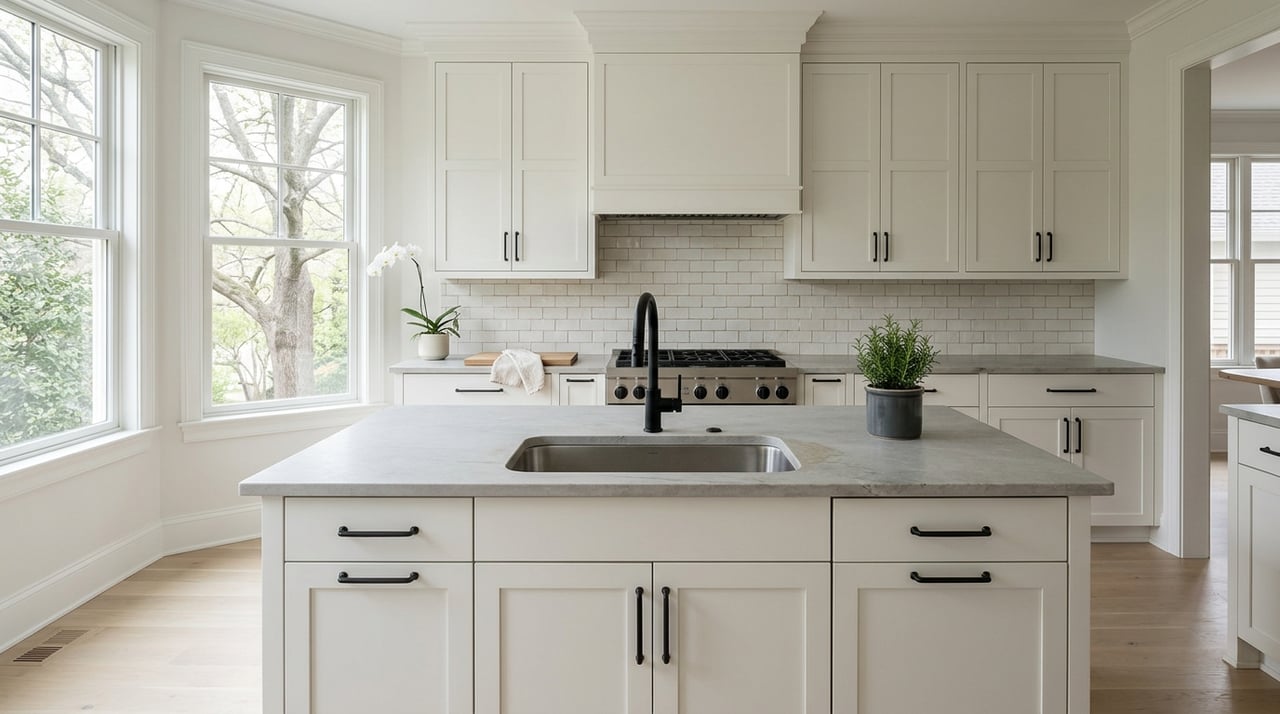
If you are thinking about selling in Ridgefield, it can be tempting to rush your home onto the market and hope demand does the rest. But in a market where recent median sale prices have hovered around $1 million and buyers often move fast online, how your home shows up on day one can shape the entire result. A smart prep plan helps you protect value, reduce avoidable issues, and make a strong first impression from the start. Let’s dive in.
Why prep matters in Ridgefield
Ridgefield remains a competitive, seller-leaning market, but that does not mean every listing gets the same response. Recent reporting from Redfin, Realtor.com, and Zillow shows strong pricing, relatively limited inventory, and sale-to-list ratios at or above asking in many cases.
That is good news for sellers, but it also raises the bar. When buyers are looking at high-value homes, they notice presentation, maintenance, and polish. In a market like Ridgefield, preparation is not about over-improving. It is about launching with intention.
Focus on the right updates
You do not need a full remodel to get your home ready. In most cases, the best return comes from a disciplined sequence of cleaning, decluttering, minor repairs, and thoughtful presentation.
Start by separating your to-do list into two groups: cosmetic improvements and larger condition issues. Cosmetic items help the home feel fresh and move-in ready. Bigger issues may affect negotiations, disclosures, or buyer confidence.
Prioritize cleaning first
A clean home photographs better, shows better, and feels better the moment a buyer walks in. Deep cleaning is one of the most practical steps you can take before listing.
Pay close attention to:
- Windows
- Carpets and rugs
- Lighting fixtures
- Walls and baseboards
- Kitchens and baths
- Entry areas
If something feels dingy, buyers will usually notice it even in a strong market. Clean surfaces and brighter rooms help your home feel well cared for.
Declutter to create space
Decluttering is one of the most common and effective pre-listing recommendations for a reason. It helps buyers focus on the home itself rather than your belongings.
Pack away items you do not use every day, remove oversized furniture where needed, and simplify shelves, counters, and tabletops. Closets matter too. Keeping them about half full can make storage feel more generous.
Use neutral, simple finishes
If a room needs paint, neutral colors are usually the safest choice. Fresh paint can help a space feel clean, bright, and cohesive without distracting buyers.
This does not mean stripping out all character. It means reducing visual noise so buyers can picture how they would live in the home.
Make minor repairs before buyers see them
Small defects can create the impression that bigger problems may be hiding underneath. A dripping faucet, loose hardware, chipped trim, or burned-out light bulb may seem minor, but together they can weaken your home’s presentation.
Walk through your house as if you were seeing it for the first time. Look for simple fixes that improve the overall impression without turning the prep phase into a major renovation project.
Know the difference between cosmetic and major issues
Some repairs are quick and inexpensive. Others involve larger systems such as roofing, plumbing, electrical, heating, cooling, or structural components.
If you know your home has a bigger issue, it is wise to understand the likely cost even if you do not plan to complete the work before listing. That knowledge can help you price and negotiate more confidently.
Consider a pre-sale inspection
A pre-sale inspection can uncover issues before a buyer does. Common areas reviewed may include the structure, roof, plumbing, electrical, heating and cooling, insulation, fireplaces, and possible environmental concerns such as mold, radon, lead paint, or asbestos.
For some sellers, this step creates fewer surprises later. If an inspection reveals a problem, you can discuss next steps and disclosure obligations before your home hits the market.
Curb appeal still counts
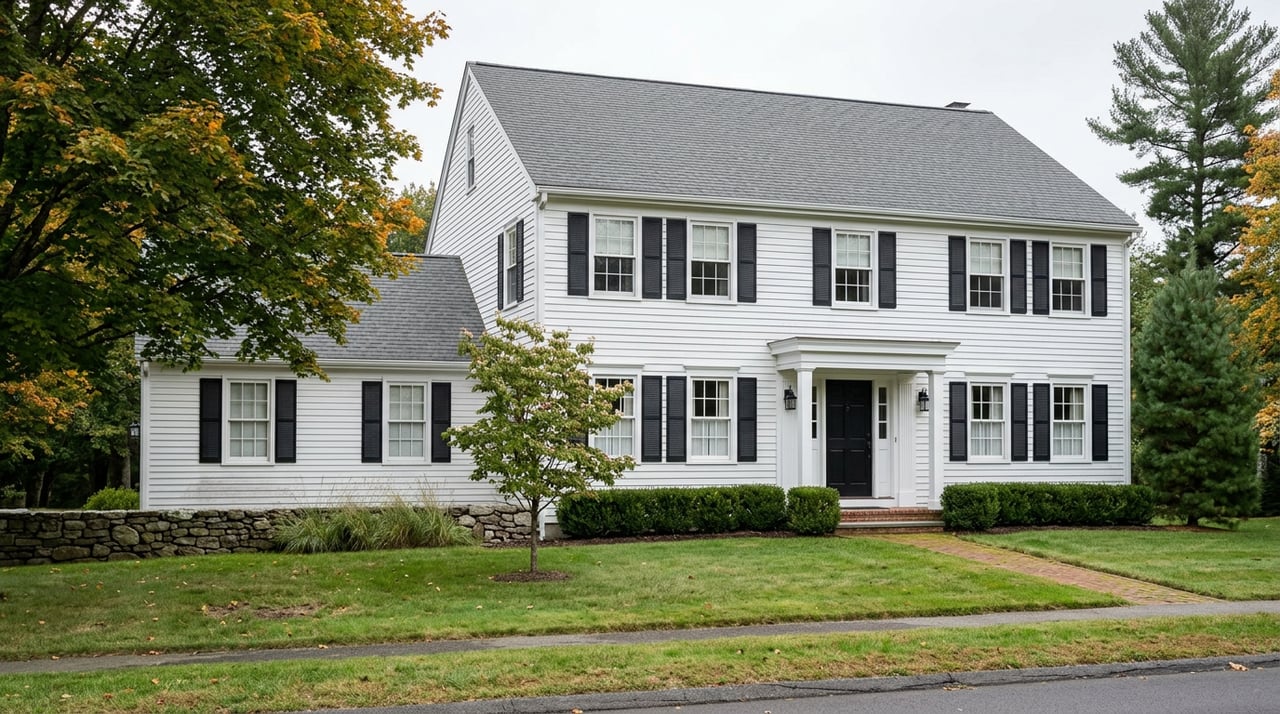
Your online debut matters, but the in-person first impression still carries weight. Buyers start forming opinions before they even step inside.
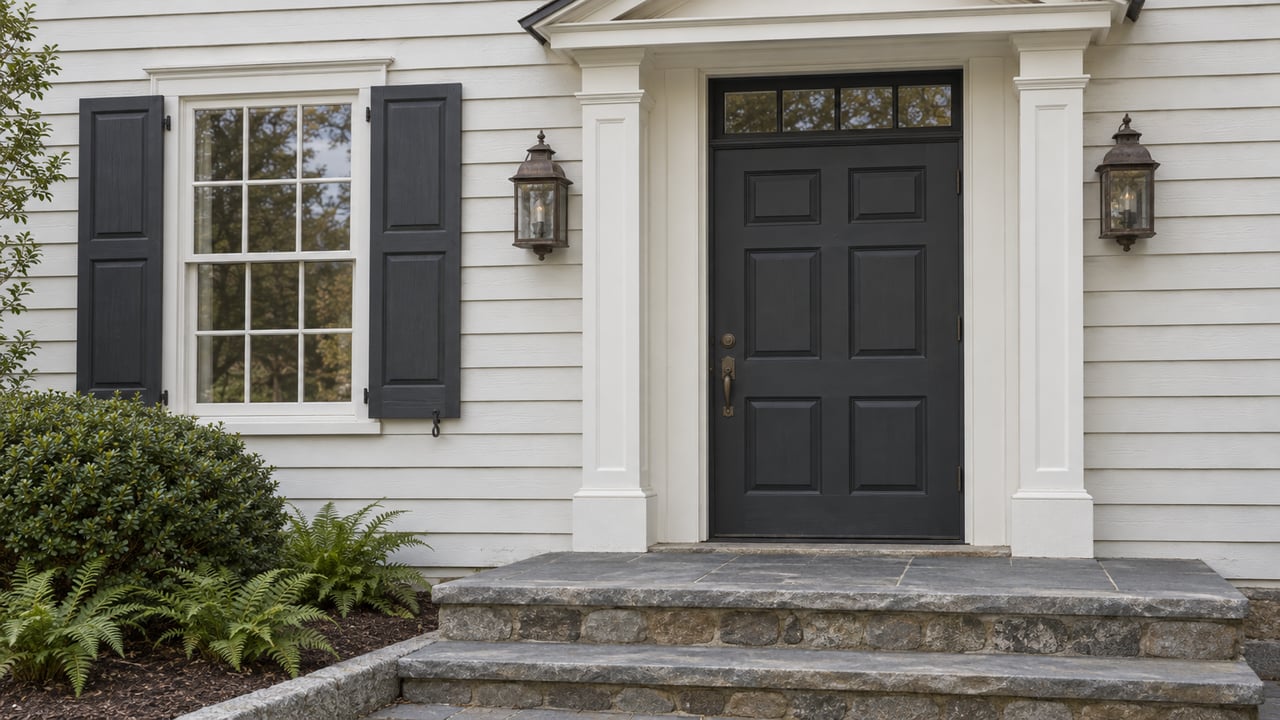
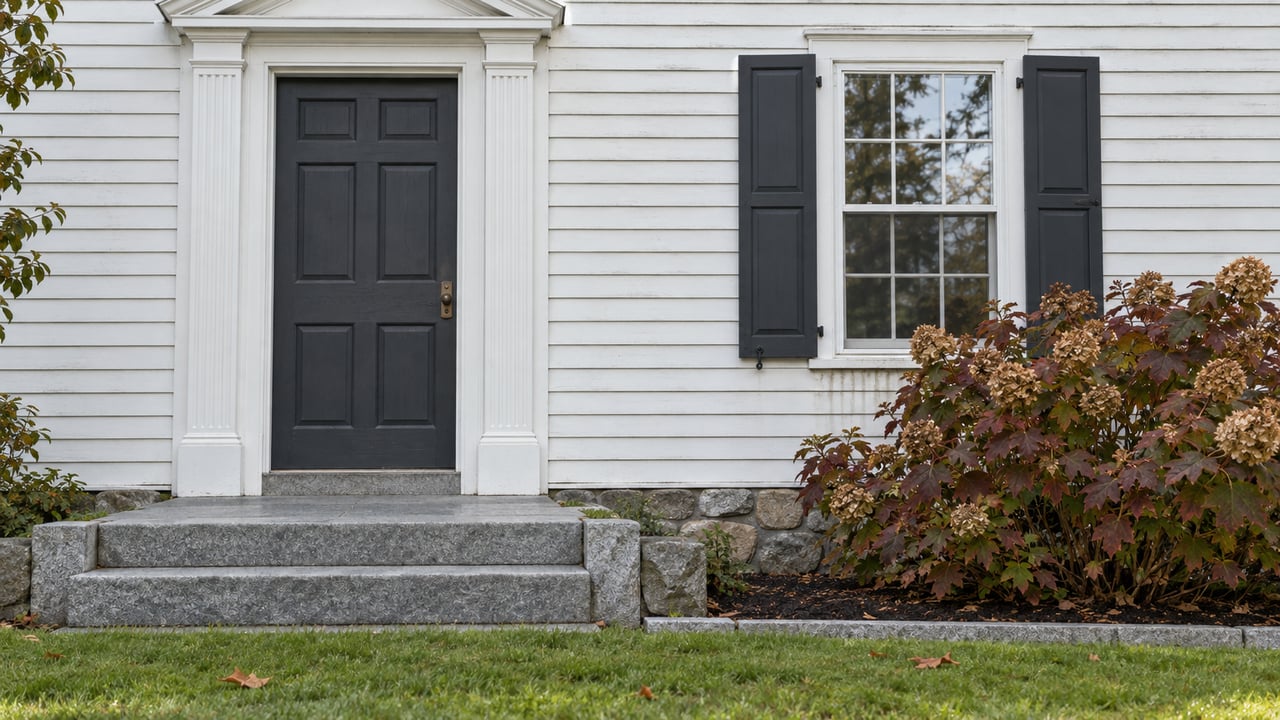
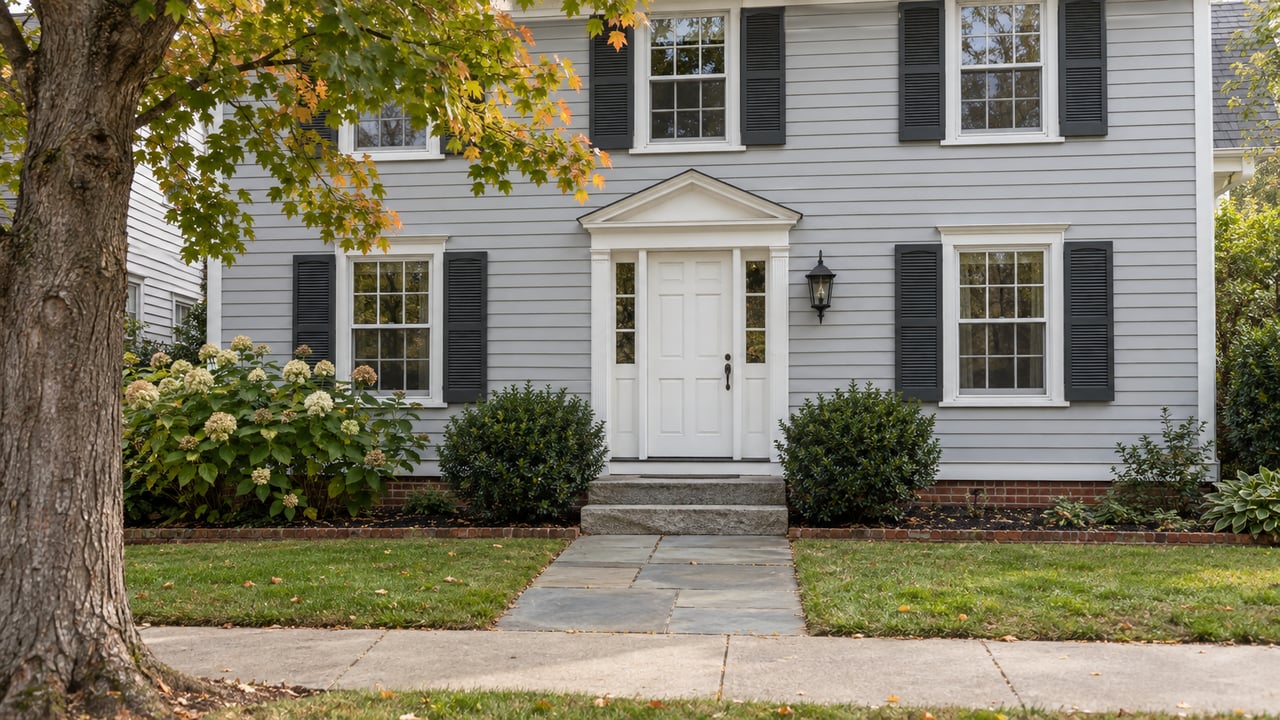
Basic curb appeal work often goes a long way. Tidy the yard, clean the walkway, refresh mulch if needed, and make sure the front entry feels inviting and well maintained.
Be careful with exterior projects
If you are planning exterior improvements beyond light cleanup or touch-up work, check local requirements first. In Ridgefield, building permit applications must first be reviewed by the Zoning Enforcement Officer.
If your property is in the Village District or Historic District, exterior changes and signs may require added review. It is worth confirming local rules before starting visible work close to your listing date.
Prepare for photos before going live
This is one of the biggest mistakes sellers make. They get the home online first, then try to improve the presentation later.
That approach can cost you momentum. Many buyers begin their search online, and listing photos are one of the most useful features in that process. Early attention matters, so your home should be fully ready before it is made public.
Why launch quality matters
According to NAR, 52% of buyers found the home they purchased online, and 81% rated listing photos as the most useful feature in an online search. Buyers’ agents also place high importance on photos, video, and virtual tours.
In practical terms, that means your first version of the listing should also be your strongest version. You want polished photography, thoughtful marketing copy, and a clean, consistent visual story from day one.
Get photo-ready room by room
Before media day, aim for every room to feel bright, open, and distraction-free. That usually means clearing counters, hiding cords, removing personal items, and making sure light fixtures work properly.
A few simple details can make a big difference:
- Open blinds and shades where appropriate
- Replace burned-out bulbs
- Remove bulky or extra furniture
- Straighten bedding and pillows
- Clear kitchen and bath counters
- Put away pet items when possible
For Ridgefield homes in the mid- to high-end range, professional photography and video are especially important. Buyers in this segment often expect elevated presentation.
Time your prep around your launch window
Even in a strong market, good timing helps. If you are hoping to list in spring, start your prep several weeks in advance so you are not making rushed decisions at the last minute.
National 2026 research from Realtor.com identified mid-April as the best week to sell, and another June 2026 analysis found strong sale-to-list outcomes when a listing closed about four weeks after hitting the market. The exact timing for your home will depend on your goals, condition, and competition, but the broader lesson is clear: start early.
Build a simple pre-listing timeline
A practical prep schedule may look like this:
- 4 to 6 weeks out: walk-through, repair planning, decluttering, and disclosure review
- 3 to 4 weeks out: deep cleaning, paint touch-ups, and curb appeal work
- 1 to 2 weeks out: final styling, photography, video, and marketing prep
- Launch week: list only after the home and media package are fully ready
This kind of sequence helps you avoid the stress of trying to fix details after the listing is already live.
Understand Connecticut disclosure steps
Before you list, make sure you understand a few Connecticut-specific requirements. These are not details to leave until the last minute.
For residential property of four dwelling units or less, Connecticut requires sellers to provide the Residential Property Condition Report before the buyer signs a binder, contract, option, or lease with purchase option. The seller’s licensee cannot complete the form for the seller, and failure to provide it can result in a $500 credit at closing.
Foundation report requirements
The Connecticut Department of Consumer Protection notes that, effective July 1, 2025, some owners must also complete the new Residential Foundation Condition Report. If this may apply to your property, it is best to confirm early so you can prepare the correct paperwork before a buyer is involved.
Lead disclosure for older homes
If your home was built before 1978, lead-disclosure rules apply under federal and Connecticut requirements. Sellers must provide the lead-paint pamphlet, disclose known lead hazards and available reports, and keep disclosure records.
The buyer also has a 10-day lead-inspection period after contract unless that period is waived. If your home falls into this category, it helps to organize any existing records before you go live.
A smart Ridgefield prep plan
The goal is not to make your home look generic or spend money without purpose. The goal is to present it clearly, cleanly, and confidently in a market where buyers are paying close attention.
In Ridgefield, strong demand does not replace strong execution. The homes that tend to stand out are the ones that feel cared for, photograph beautifully, and arrive on the market with a complete plan behind them.
If you are getting ready to sell, a thoughtful prep strategy can help you reduce stress and put your home in the best position possible. When you are ready to map out the right launch plan for your property, connect with Heather Lindgren.
FAQs
What should I do first when preparing my Ridgefield home to sell?
- Start with a full walk-through and create a prep list that covers cleaning, decluttering, minor repairs, and any larger issues that may affect pricing or disclosures.
Do Ridgefield sellers need to stage their homes before listing?
- Not every home needs full traditional staging, but most benefit from decluttering, simplifying furniture, and making each room photo-ready so buyers can better visualize the space.
How important are listing photos for a Ridgefield home sale?
- Very important. NAR reports that many buyers begin online and that listing photos are one of the most useful search features, so professional media should be ready before the home goes live.
Are there Connecticut disclosure forms Ridgefield sellers need to complete?
- Yes. For many residential sales, sellers must provide the Connecticut Residential Property Condition Report before the buyer signs certain agreements, and some owners may also need a Residential Foundation Condition Report.
Do older Ridgefield homes require lead disclosure before sale?
- Yes. If the home was built before 1978, sellers must follow lead-disclosure rules, including providing the required pamphlet, disclosing known hazards, and sharing available reports.
Should I do exterior improvements before listing my Ridgefield home?
- Basic cleanup and touch-ups can help, but if you are planning larger exterior changes, check Ridgefield rules first because some work may require zoning review or added approval in certain districts.