Wondering when your Ridgefield home will attract the strongest offers? Timing is a big lever in our local market, and the right season can boost both exposure and price. If you plan to sell in the next few months, you want a clear plan that fits the rhythms of Ridgefield and nearby commuter towns. In this guide, you’ll learn the best months to list, how long closings usually take, and a step-by-step prep timeline that sets you up for a smooth sale. Let’s dive in.
Ridgefield selling seasons at a glance
Ridgefield follows a classic Northeast suburban pattern, with demand peaking in spring and a smaller second window in early fall. Family schedules, commuting plans, and weather shape buyer activity.
- Spring, February to June, with a March to May peak: This is the top selling season. Listings see more views, faster offers, and stronger pricing because many buyers want to move in by summer.
- Early summer, June to August: Activity remains solid for families finishing the school year, though it can soften in late summer as vacations pick up.
- Early fall, September to October: This is a reliable second window. Inventory is leaner than spring, so well-prepared homes can stand out.
- Late fall and winter, mid-November to January: Activity slows. Serious buyers remain, but showings are fewer and curb appeal is tougher. Price strategy matters more.
What drives timing in Ridgefield
- Buyer mix: Ridgefield draws families, hybrid commuters to NYC-area jobs, and buyers seeking a vibrant Fairfield County town. That mix leads to spring and early fall spikes.
- Inventory cycles: You’ll face more competition in spring. If inventory is unusually low, later windows can still work well.
- Home price tiers: Luxury buyers act more evenly year-round. Entry-to-mid-tier homes feel the strongest seasonality in spring.
What this means for you: If you want maximum exposure and a summer close, plan to list in March or April. If spring is not possible, aim for September to capture fall demand. These patterns also track with nearby commuter suburbs in Western Fairfield County and bordering New York counties.
Pick your listing window by goal
Aim for a summer move
- List in March or April. This gives you the strongest buyer pool and enough runway to secure a contract and close before or during the summer.
- Build in cushion. Even in a fast market, leave space for negotiations, inspection items, and lender timelines.
Want a quieter, less crowded market
- List in September. Fall brings motivated buyers with fewer competing listings. If your home is well presented and well priced, you can still achieve a strong result.
Selling a higher-end or unique property
- Flex your timing. Luxury demand is more consistent across the calendar. Presentation, pricing, and broad marketing matter as much as season.
- Protect curb appeal. If listing in winter, lean into crisp interiors, great lighting, and high-quality photos. Plan exterior touch-ups as weather allows.
How long it takes from list to close
You can expect a few distinct phases. Knowing each one helps you reverse-engineer the ideal go-live date.
- Preparation and repairs: 2 to 12 weeks, depending on scope and contractor lead times.
- On-market exposure: The first 1 to 2 weeks are critical, when most eyeballs and showings happen.
- Negotiation: Anywhere from 1 day to 2 weeks, depending on interest and terms.
- Under contract to close: Commonly 30 to 60 days for financed buyers. Cash or bridge-finance deals can close faster.
In current Ridgefield conditions, a well-positioned home can receive a solid offer within days, though several weeks is possible in a slower segment. Total list-to-close often lands in the 2 to 4 month range. If you are targeting a summer move, plan backward so you can list in March or April and still have time for inspections, appraisal, and any repair talks before closing.
Presentation that moves the needle
First impressions drive showings, offers, and appraisal confidence. Focus on visible, practical updates and standout marketing.
Exterior priorities by season
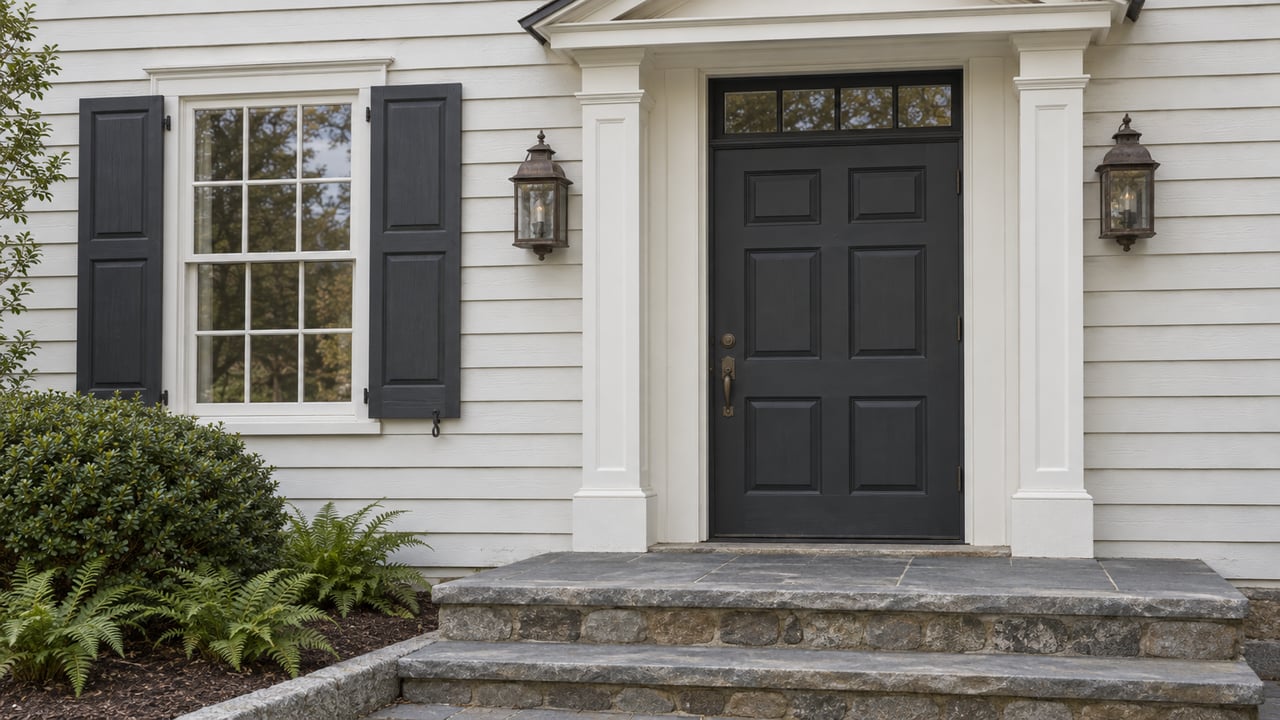
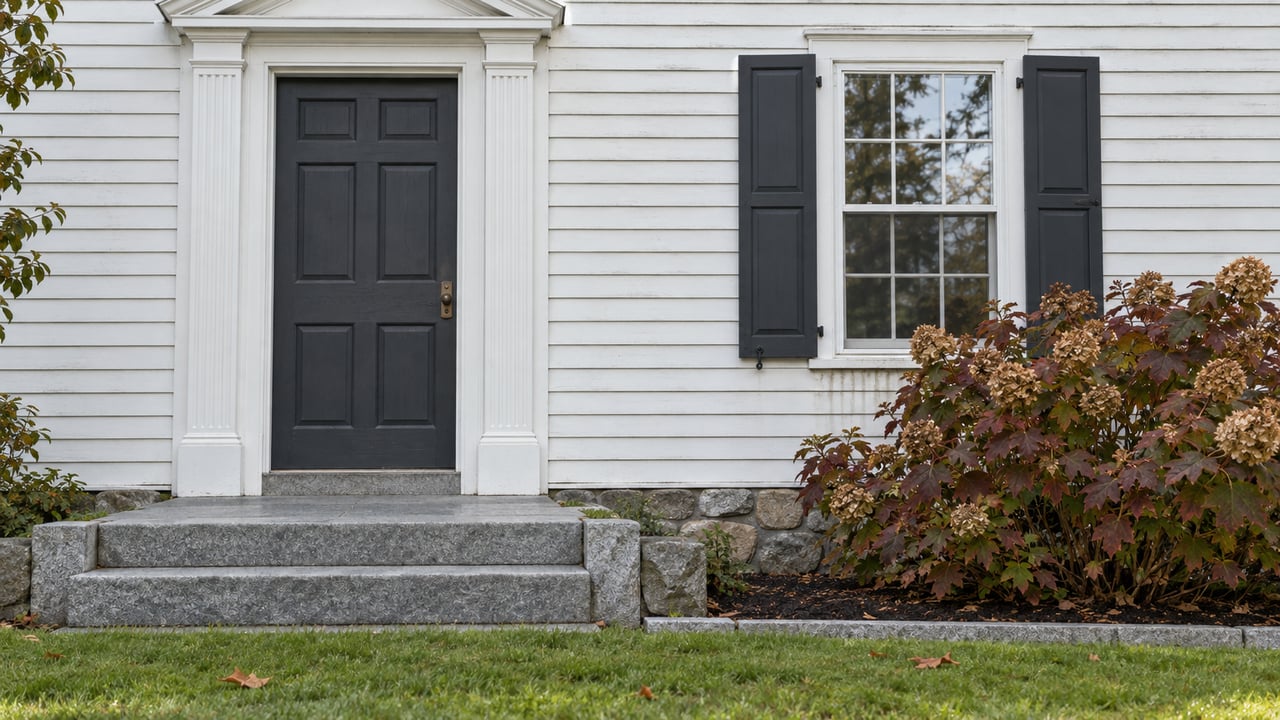
- Front entry refresh: Repaint the door, update hardware, and ensure clean, well-lit access.
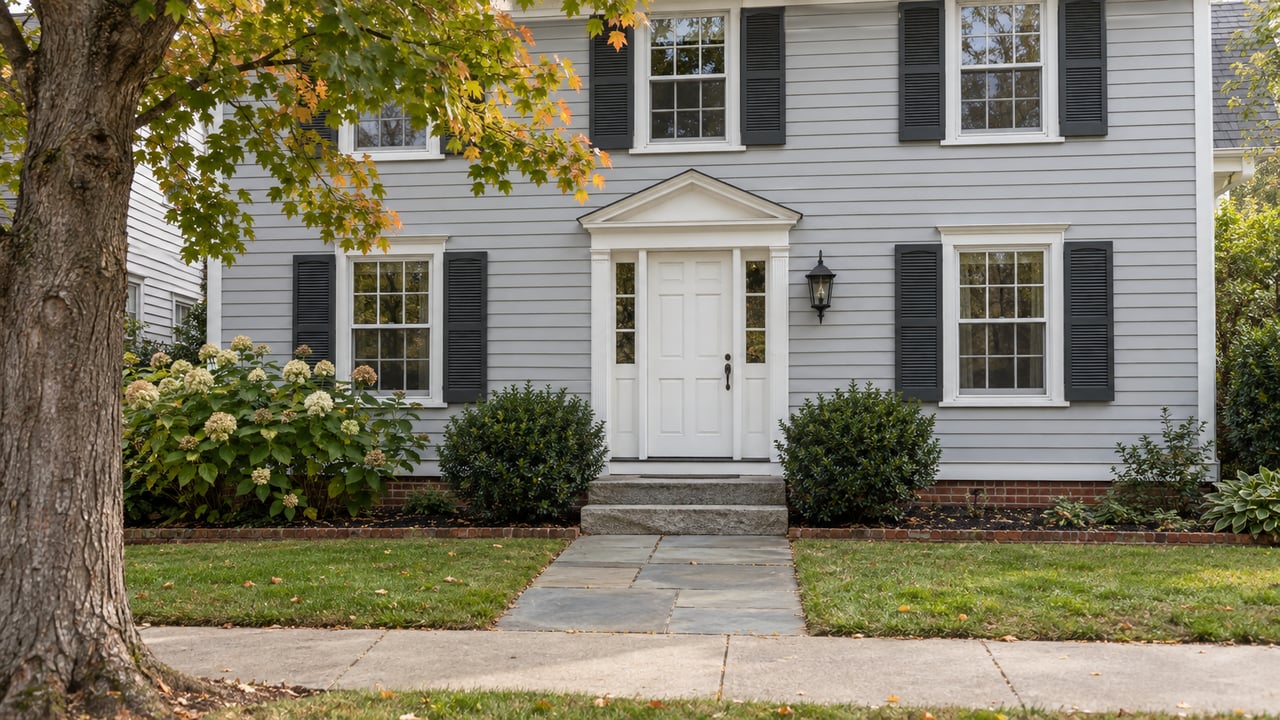
- Landscaping: Spring cleanups, trimmed hedges, edged beds, and fresh mulch improve online photos and in-person feel. For fall, keep beds tidy and consider simple seasonal planters.
- Power-wash and repair: Clean siding, decks, and walkways. Clear gutters and address any visible roof issues.
- Driveway and garage: Touch up paint and seal or repair the driveway if needed.
Interior updates that matter
- Declutter and depersonalize: Clear surfaces and reduce furniture to emphasize light and space.
- Minor fixes and deep clean: Address leaks, loose hardware, cracked grout, and burnt-out bulbs. A spotless home signals good care.
- Neutral paint and lighting: Light, neutral walls and bright, warm lighting improve both photos and showings.
- Kitchens and baths: Small updates like hardware, fresh caulk, or regrout can punch above their cost and speed.
- Targeted staging: Professional staging or thoughtful furniture placement helps buyers visualize scale and flow.
Digital-first marketing
- Professional photography: Schedule for clear weather and peak landscaping. Strong images attract more clicks and showings.
- Virtual tours and floor plans: These help draw out-of-area and commute-focused buyers who value clarity on layout and dimensions.
- Accurate, benefit-driven copy: Highlight features that fit Ridgefield lifestyles, such as work-from-home spaces and proximity to town amenities.
Your 9-, 6-, and 3-month prep plans
If you want to be market-ready for spring or early fall, use this simple schedule to stay ahead.
9 months before listing
- Set your ideal move and close window, including school and commute needs.
- Request a market consult and preliminary pricing review.
- Build a realistic budget for repairs, staging, and landscaping.
- Start decluttering storage areas, the basement, and the garage.
6 months before listing
- Do a full walkthrough with your agent to pinpoint the highest-impact updates.
- Book contractors for larger items like roof, HVAC, or structural work.
- Continue decluttering, especially bulky items and seasonal gear.
- If considering targeted upgrades, gather quotes and weigh timelines and return on investment.
3 months before listing
- Complete repairs and schedule a deep clean.
- Hire a stager or finalize a furniture plan.
- Time landscaping for your season, whether spring plantings or fall cleanup.
- Consider a pre-list inspection to surface issues early and reduce renegotiation risk.
2 to 4 weeks before going live
- Schedule professional photos, floor plans, and a virtual tour on a clear day.
- Make final staging tweaks and complete touch-ups.
- Prepare disclosures and gather permits or renovation documentation.
- Finalize your marketing launch and open house schedule.
Listing week and beyond
- Go live, keep the home showing-ready, and monitor feedback in the first 1 to 2 weeks.
- Review offers, weigh terms as well as price, and negotiate confidently.
- Once under contract, coordinate inspections, appraisal access, and any agreed repairs.
Local watchouts that can slow a sale
Older New England homes often share a few inspection themes. Addressing them in advance helps you avoid delays and last-minute credits.
- Basement moisture and drainage: Check grading, gutters, and sump systems. Tidy mechanical areas and document any improvements.
- Heating systems and fuel storage: Service older furnaces and clarify the status of any oil tanks. Keep maintenance records handy.
- Roof age and flashing: If the roof is near end of life, get an estimate and be ready to discuss timeline.
- Septic or well systems where applicable: Know your system’s recent service history and any local requirements.
- Lead paint and asbestos in older homes: Follow disclosures and be prepared to manage buyer expectations if your home predates 1978.
- Permits and paperwork: Gather permits for renovations and additions, plus manuals and service records for major systems.
- Appraisal timing: In quieter seasons, comparable sales may be older. Make sure recent, relevant comps are available to support price.
A smart path to market-readiness
If you want the strongest outcome, align timing and presentation. For maximum exposure, aim to list in March or April and build backward 3 to 9 months to complete repairs, staging, and marketing assets. If you prefer a less crowded window, target September and lean into standout presentation and pricing.
You do not have to manage this alone. With concierge-style coordination, you can outsource the prep while staying in control of budget and timing. Typical support includes project management for contractors, staging and decluttering help, landscaping coordination, professional photography and tours, and meticulous listing rollout.
Ready to map your timing to your goals and get a practical plan for your home? Contact Heather Lindgren for a simple, data-informed strategy tailored to your timeline.
FAQs
When is the best time to sell a home in Ridgefield?
- Spring, especially March to May, is the strongest window for exposure and pricing, with a solid secondary window in September and October.
How long does a Ridgefield sale usually take from listing to close?
- Many sales finish within 2 to 4 months, with 30 to 60 days common from contract to close for financed buyers.
How far in advance should I start prepping to sell?
- Start at least 3 months ahead for light work, and 6 to 9 months if you have larger repairs or updates.
What home improvements deliver the best return before listing?
- Curb appeal, a refreshed front entry, neutral paint, decluttering, deep cleaning, and professional photos tend to produce the most consistent results.
Should I get a pre-listing inspection in Ridgefield?
- It is often helpful, especially for older homes, since it can surface issues early and reduce surprises during buyer inspections.
Is winter a bad time to sell in Ridgefield?
- Winter has fewer buyers and tougher curb appeal, though serious buyers remain. Strong pricing, clean presentation, and flexibility can still produce good outcomes.