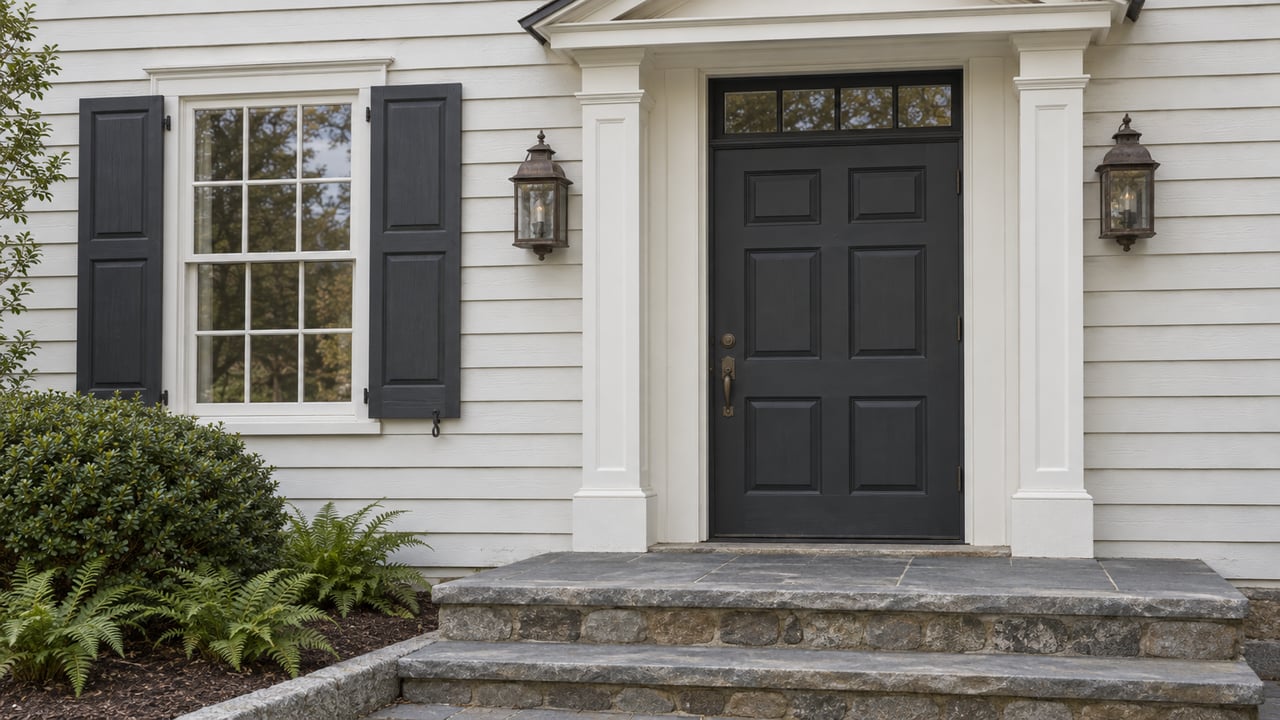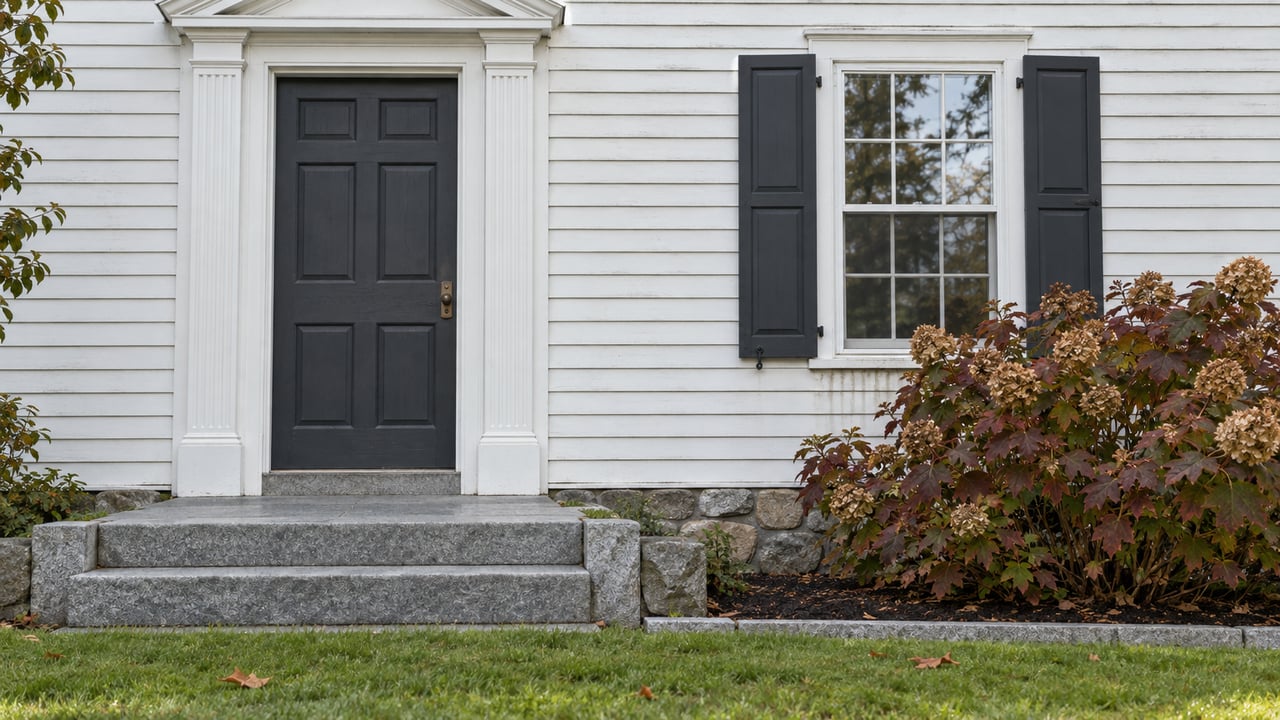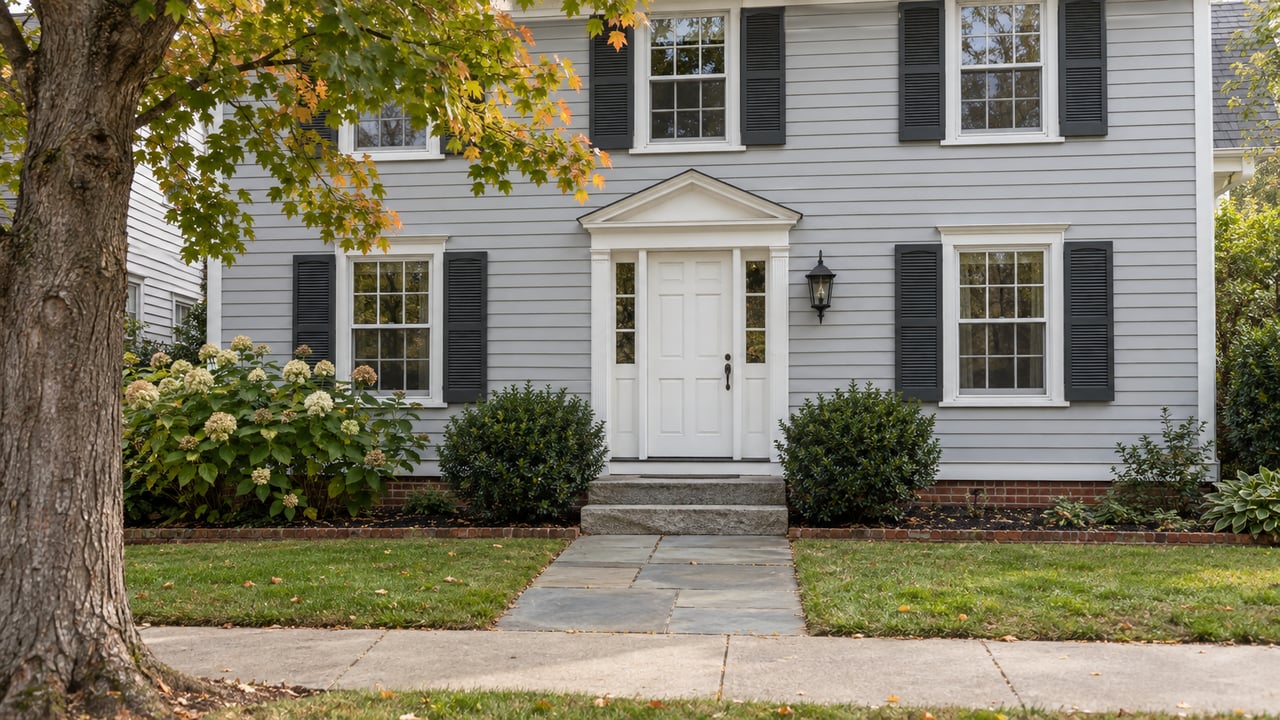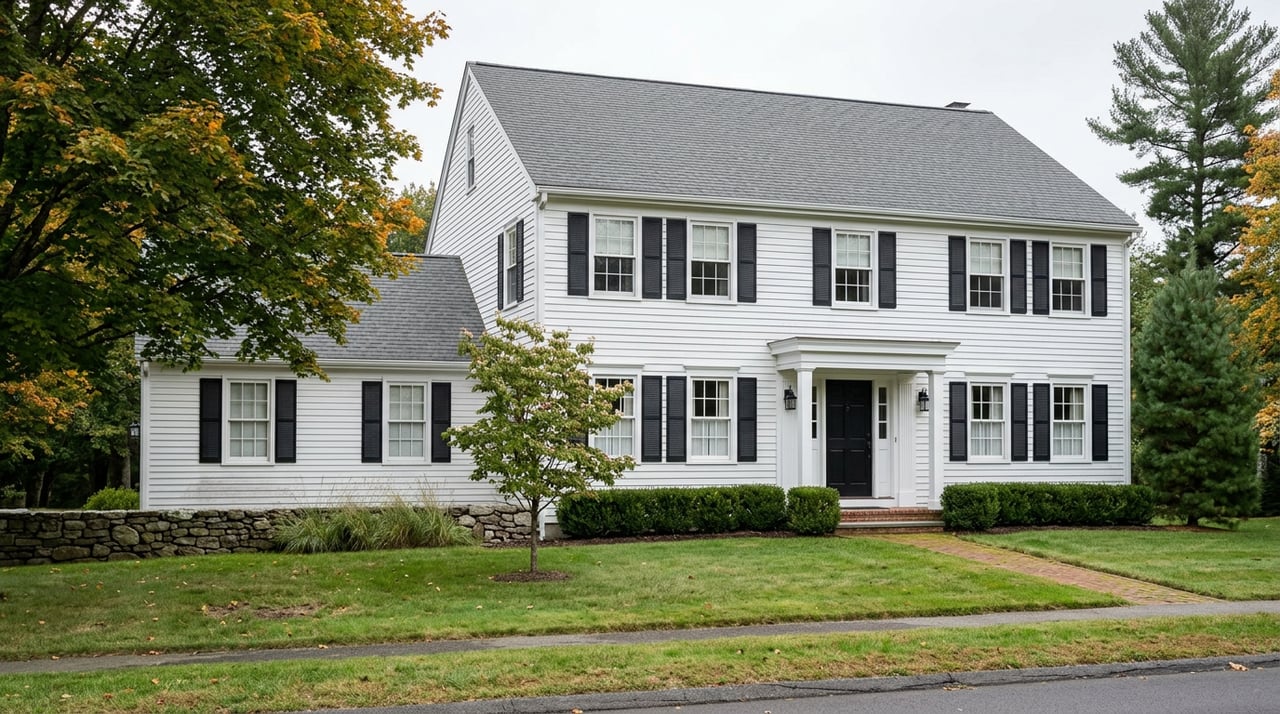
What does it mean when a family home near one of Newtown's elementary schools goes under contract within days of hitting the market, while a horse property a few miles up Huntingtown Road sits through an entire season without an offer? It means the single median price everyone quotes for Newtown is really an average of two markets that move at completely different speeds. If you are using that number to decide anything about timing, budget, or strategy, it helps to know which market you are actually stepping into.
As of early 2026, Newtown's overall median sale price has been sitting somewhere in the $650,000 to $755,000 range depending on the month and how the count is run. That figure is accurate and also close to useless on its own, because it blends two groups of buyers who are competing under entirely different rules.
The tier where you have to move fast
Homes priced under $700,000 in good school zones are the busiest corner of the Newtown market right now. A well-priced, updated listing in that range routinely draws a full weekend of showings and offers arriving by Monday. Sale-to-list ratios in this segment have been running between 100.4% and 109%, meaning sellers are frequently getting their full asking price or more. Turn-key homes go pending in under two weeks, sometimes within days.
That kind of velocity is a function of supply, not enthusiasm. Newtown's entry and mid-tier inventory has stayed thin because a lot of the owners who would normally trade up or down are sitting on mortgage rates from the pandemic years that they are reluctant to give up. Fewer of those homes come to market, so the ones that do get fought over.
The tier that takes months
Move up past roughly $1.2 million and the pace changes entirely. Properties in this bracket have been averaging 90 to 120 days on the market, more than double the entry tier's timeline.
If you assume the reason is simply that jumbo mortgages cost more, the 2026 numbers do not back that up. The average 30-year jumbo rate in July 2026 was 6.47%, and the spread between jumbo and conforming rates has actually compressed to roughly a quarter of a point this year, occasionally flipping so that well-qualified jumbo borrowers get a slightly better rate than conforming borrowers do. Rate is not what is slowing this tier down.
What is slowing it down is underwriting friction that only shows up once a loan crosses the 2026 conforming limit of $832,750. Jumbo lenders manually underwrite every file, and the requirements are meaningfully tighter than what a conventional buyer deals with:
- Six to twenty-four months of liquid cash reserves after closing, scaling up with loan size
- A debt-to-income ceiling around 43%, versus programs that allow up to 50% for conforming loans
- No secondary-market backstop, since jumbo loans cannot be sold to Fannie Mae or Freddie Mac, so the lender holds the risk and prices the file accordingly
Add to that a genuinely smaller pool of qualified buyers, a higher rate of contingent offers where the buyer needs to sell a current home first, and appraisers who often have thin comparable sales to work from on a one-of-a-kind property. Every one of those factors adds weeks, and they stack.
The homes that barely reach the market at all
There is a third tier above even that, and it does not really compete on the open market in any conventional sense. The historic homes clustered around the Borough of Newtown, near the town's landmark flagpole first raised in 1876, rarely come up for sale, and when they do, many change hands through referral rather than a public listing. Federal and Victorian-era construction with original wide-plank floors and period millwork cannot be replicated, and the buyers who want that specific thing tend to already know each other.
The same is true of Newtown's working equestrian properties. There are currently eight horse properties listed for sale in and around town, averaging about $1.4 million, and buyers for barns, riding rings, and paddocks are a specific, small population. These sales do not follow the days-on-market logic that applies to a standard single-family home, because there is rarely a second comparable buyer waiting in the wings if the first deal falls through.
Within town, this segmentation shows up at the village level too. Sandy Hook, the riverside village that has built its own dining and social identity over the past decade, has been trading at a discount to the Borough, with median prices closer to $615,000 against the Borough's historic-character premium. Same town, same school system, different market entirely.
New supply is coming, just not where the pressure is
Newtown does have real new housing in motion right now, and it is worth understanding why it will not touch the sub-$700,000 scramble. According to the Newtown Bee, the town and developer Winn Development have been advancing a plan to convert two former state hospital buildings at Fairfield Hills, Kent House and Shelton House, into a mix of age-restricted and moderate-income housing, with Shelton House alone expected to hold roughly 50 one and two-bedroom apartments. First Selectman Bruce Walczak has framed the project as one of the most significant redevelopment efforts at the campus in nearly two decades, and part of the town's reasoning has been about activity on the property itself:
The report also noted: "Increased foot traffic is also expected to improve safety and visibility on the campus into the early evening."
Because the housing is age-restricted, town officials do not expect it to add students to the school system, which means it is not competing for the same buyers who are driving the current bidding wars on family homes. A separate project, the Taunton Residences at Deep Brook, is converting the former Taunton Press site on South Main Street, adding another pocket of supply outside the price band where demand is actually straining.
New units matter for the town's tax base and its housing stock generally, but neither project changes the math for a family shopping under $700,000 in a good school zone this year.
What this means depending on where you're shopping
If your budget lands under $700,000, the practical takeaway is that speed and preparation matter more than negotiating room. Sellers in this tier are getting at or above asking price, and the properties that sit are usually the ones with dated finishes or a compromised location, not the ones that are simply priced too high.
If you are shopping above $1.2 million, the longer timeline is not a sign of a soft market. It is the normal shape of a luxury transaction with fewer qualified buyers and more thorough underwriting. Getting a jumbo pre-approval fully documented, with reserves verified, before you start touring is what actually shortens your path to a signed contract.
And if what you want is a Borough historic home or a working horse farm, the open listings you see are not the whole inventory. The properties that matter most in that category often move through relationships and referral before they ever reach a portal search.
A few questions worth asking before you commit to a number
Does a lower median price mean it's a better time to buy a luxury home in Newtown? Not necessarily. The 90 to 120 day average in the $1.2 million-plus tier reflects buyer pool size and underwriting requirements, not price softness. Sellers in this range are still generally getting close to their asking price once a qualified buyer comes through.
Will the Fairfield Hills housing lower prices for family homes? It is unlikely to affect the segment driving today's competition. The Kent House and Shelton House units are age-restricted and are not expected to add school-age children, which means they are not adding supply where the sub-$700,000 pressure actually is.
Understanding which of Newtown's markets you are actually in changes how you shop, how you finance, and how you time an offer. If you are trying to figure out where your specific search fits into this picture, Heather Lindgren Homes can walk through the current inventory with you, tier by tier, and help you build a strategy suited to the market you're actually competing in. Contact Heather to discuss your next move.
This article is general information, not legal, tax or financial advice. Consult a qualified professional about your situation.