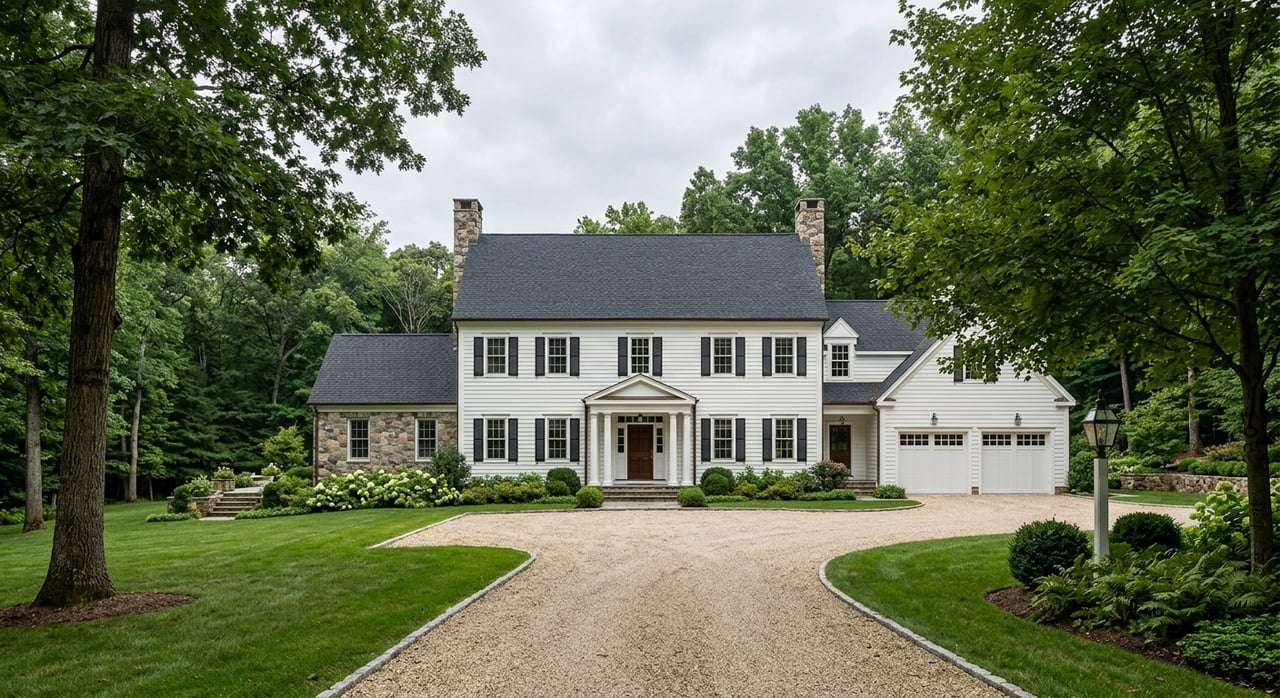
If you are trying to picture daily life in Wilton, the real question is not just whether it feels suburban or rural. It is how often you want quick errands, train access, and village convenience to shape your week, versus how much you want wooded roads, open space, and a quieter rhythm outside your door. Wilton gives you a mix of both, and understanding that balance can help you find the right fit. Let’s dive in.
Wilton Offers Two Daily Rhythms
Living in Wilton often comes down to two different kinds of routines. One leans village-centered, with easier access to shops, restaurants, and train stations. The other leans country-road, where open space, privacy, and a more nature-first setting play a bigger role in everyday life.
That split is part of what makes Wilton appealing to many buyers. The town has an estimated population of 19,435, an average household size of 3.03 people, and a median household income of $242,199. Census data also shows a mean travel time to work of 35.9 minutes, which points to a commuter-oriented suburban market rather than a town built only around local retail.
Village Life in Wilton Center
Wilton Center is where many day-to-day errands naturally cluster. Town zoning describes it as a village district designed to preserve historic structures while supporting an orderly shopping area. Allowed uses include small retail, sit-down restaurants, banks, medical offices, and similar low-intensity commercial activity.
In practical terms, that means you can often handle a lot of everyday needs close to home. Town materials describe Wilton Center and the Route 7 corridor as the main places for grocery, pharmacy, hardware, sporting goods, clothing, and specialty shopping. Dining options also range from casual diner-style meals to more polished spots.
For buyers who want convenience built into the week, this part of town can feel especially efficient. If you like the idea of quick errands, easier meetups, and a more connected daily flow, village-adjacent living may stand out right away.
Cannondale Has a Different Feel
Cannondale offers a smaller, more historic village-style setting. The town’s plan of conservation and development identifies it as a National Historic District with stone walls, meadows, mature trees, and a train station at its center. It has a distinct identity that feels quieter and lower intensity than Wilton Center.
That said, Cannondale is not just a picture-postcard location. Planning documents note that the station parking area is busy during commuting hours, while sidewalk connections are more limited. So, while it has village character, its walkability and day-to-day function are more uneven than what some buyers may expect from a classic downtown setting.
For some people, that is exactly the appeal. You get a historic setting and rail access, but with a more tucked-away feel.
Georgetown Adds Another Village Pocket
Georgetown gives Wilton yet another village-like option. The town describes it as a moderate-intensity node in north Wilton, with commercial uses concentrated along Danbury Road and Redding Road and residential streets nearby.
This matters if you are comparing different corners of town. Wilton does not revolve around one single center. Instead, it has multiple pockets where convenience and density show up in different ways.
The Country-Road Side of Wilton
If village living is one side of Wilton, the country-road setting is the other. Wilton’s planning documents emphasize its rural landscape, including about 2,000 acres of protected open space. That land includes forested areas, agricultural fields, wetlands, and meadows.
For many buyers, this is what gives Wilton its lasting sense of space. The appeal is often less about being far from services and more about having wooded surroundings, larger-lot settings, and a calmer backdrop for daily life.
This side of town can feel especially appealing if you work remotely part of the week, value privacy, or simply want nature to be part of your routine. Instead of walking to a cluster of shops, your day may begin with a quieter road, more tree cover, and a stronger connection to preserved land.
Trails and Open Space Shape Everyday Life
Wilton’s outdoor character is not just scenic. It also shapes how many residents spend weekends and downtime. The town’s conservation planning highlights open-space protection, riparian corridors, and the Norwalk River Valley Trail as part of a long-term greenway network.
The Norwalk River Valley Trail is planned as a 38-mile route connecting Danbury, Ridgefield, Redding, Wilton, and Norwalk. Depending on the section, the trail ranges from paved urban stretches to narrower and more rustic segments used for hiking, biking, and, in some places, equestrian use.
In Wilton, the route passes through or near places like Allen’s Meadows and Wilton Center. That connection helps bridge the town’s more rural and village-centered lifestyles. You can enjoy preserved land and recreation without feeling completely disconnected from the town core.
Weir Farm National Historical Park adds another layer to that lifestyle. The park includes more than 60 acres of woods, fields, and waterways in Wilton, and its grounds are open daily from sunrise to sunset year-round. For buyers who want everyday access to green space, that is a meaningful part of the town’s appeal.
Recreation Supports Local Routines
Town recreation also plays a real role in how people use Wilton day to day. Wilton Parks & Recreation offers online registration, park passes for Merwin Meadows, and field and facility rentals. Town materials also identify Schenck’s Island as municipal property in Wilton Center.
For many households, that supports a routine built around local programs, organized activities, and easy outdoor access. Whether your schedule includes seasonal programs, sports, or relaxed time at local parks, these amenities help keep daily life close to home.
What Commuters Should Know
Wilton is clearly connected to the larger region, and that matters if your workweek includes office days. Wilton and Cannondale are both served by Metro-North’s Danbury Branch, with multiple weekday trains at each station.
The key lifestyle takeaway is simple: station proximity matters. If train access is a regular part of your routine, living closer to Wilton Center or Cannondale may make daily logistics easier.
If your priority is privacy, land, or a more tucked-away setting, you may prefer an outlying home on wooded roads. The tradeoff is that everyday convenience can take a little more planning.
Choosing Between Convenience and Space
For many buyers, Wilton is not about deciding whether the town is one thing or another. It is about deciding which version of Wilton best fits your life.
A village-adjacent home may work well if you want:
- Easier access to errands
- Closer proximity to train stations
- A more connected weekday routine
- Convenience near Wilton Center or other village pockets
A country-road home may be a better fit if you want:
- More privacy
- Wooded surroundings
- A stronger open-space feel
- Daily access to trails and preserved land
Neither option is inherently better. It depends on how you want your mornings, workdays, and weekends to feel.
Why This Balance Draws Buyers
Wilton stands out because it offers a blend that can be hard to find in one town. You have a commuter-oriented setting with rail service and local shopping, but also a strong rural landscape with meaningful protected open space.
That combination can be especially appealing if you are relocating within Fairfield County, moving from a denser suburb, or trying to balance office access with a quieter home environment. Some buyers want to be near a village center. Others want the country-road experience without feeling cut off. Wilton makes room for both.
If you are weighing where in town you might feel most at home, the details of your routine matter. Commute frequency, errand patterns, outdoor habits, and the level of privacy you want can all shape which part of Wilton feels right. If you want help comparing Wilton’s village pockets with its more wooded residential areas, reach out to Heather Lindgren for thoughtful, local guidance tailored to your next move.
FAQs
Where do most residents run errands in Wilton?
- Most everyday shopping is concentrated in Wilton Center and along the Route 7 corridor, according to town materials.
Is Wilton, CT walkable for daily life?
- Walkability is stronger in village pockets like Wilton Center, while planning documents note that Cannondale has more limited sidewalk connections.
Is Wilton, CT more of a commuter town?
- Census data suggests Wilton has a commuter-oriented pattern, with a mean travel time to work of 35.9 minutes, though many day-to-day needs can still be handled locally.
What makes country-road living in Wilton different?
- The country-road side of Wilton is shaped by protected open space, wooded surroundings, trails, and a quieter daily setting rather than a village-centered routine.
Do Wilton and Cannondale have train service?
- Yes. Both Wilton and Cannondale are served by Metro-North’s Danbury Branch, with multiple weekday trains listed on the current schedule.