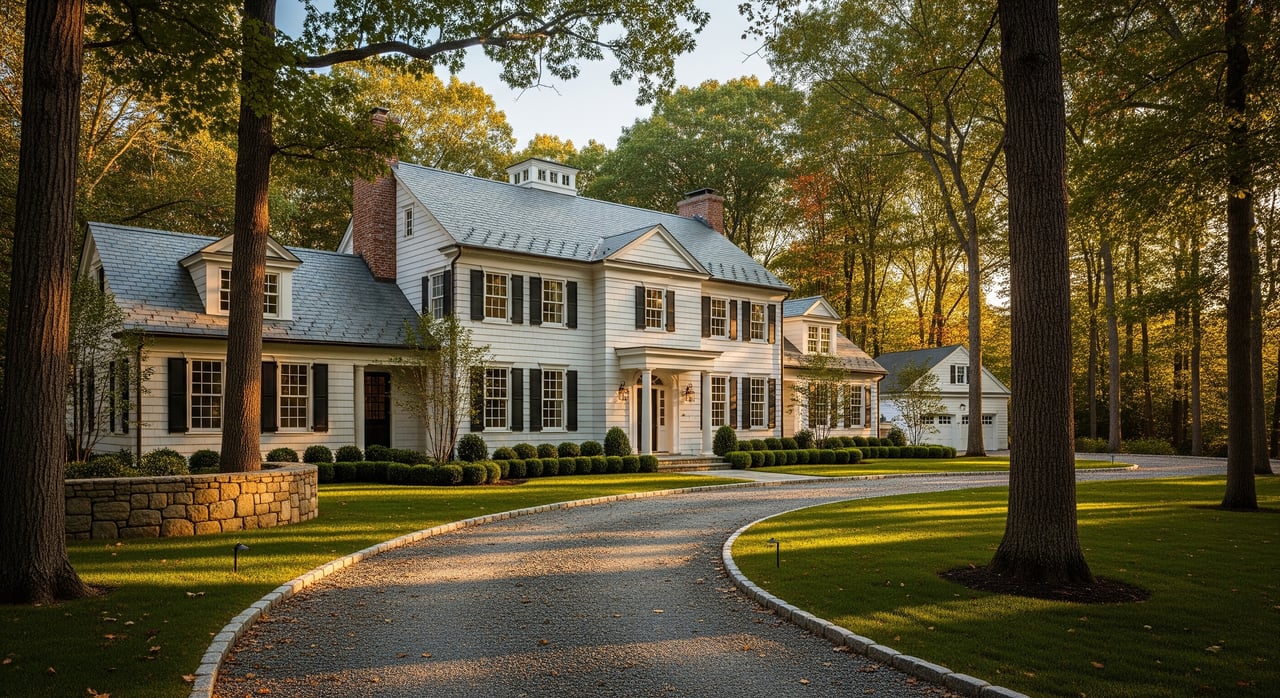
Pricing a home in Weston is not as simple as pulling a few recent sales and averaging the numbers. With larger lots, private settings, and many one-of-a-kind properties, finding true comparables can feel tricky. If you are preparing to sell or you want to buy with confidence, understanding what counts as a comp in Weston will help you set the right strategy. In this guide, you will learn how comps are chosen here, how adjustments work, and where your home’s unique features fit in. Let’s dive in.
What a comp really is
A comparable sale, or comp, is a recent, arms-length closed sale that mirrors your property’s most important traits. In Weston, that means matching property type, size, usable living area, acreage and land utility, condition, and micro-location as closely as possible. When exact matches are scarce, you bring in carefully chosen sales and adjust for differences you can measure and support.
Start with the right pool
Weston’s low-turnover market often means you will not find three perfect sales from the past few months on the same street. You start nearby, then expand by time and geography only as needed. When you bring in older or more distant sales, you document why the buyer pool is similar and apply time or location adjustments to keep the analysis fair and current.
Time window and distance
Aim for sales within the last 6 to 12 months first. If inventory is thin, extend to 12 to 24 months and time-adjust older sales using a reliable trend source. Stay as close as you can, then expand to adjacent neighborhoods and, if necessary, nearby towns that attract similar buyers. When you cross town lines, note differences in lot sizes, taxes, services, and demand patterns so your adjustments are clear and supported.
How many comps you need
Most analyses include 3 to 6 well-supported comps. For unique properties, you might use fewer top-quality comps and supplement with other approaches, like a cost analysis for unusual site improvements. The key is a transparent, repeatable method with adjustments you can explain.
Key factors that make a true comp
Here is a practical priority list for Weston comps:
- Property type and architectural style
- Gross living area and functional layout
- Lot size and usable acreage
- Condition and level of updates
- Location and micro-location privacy or views
- Market timeframe and recency of sale
- Sale type that is arms-length and typical
These are ranked for a reason. A similar size and layout on a similar lot usually beats a closer sale that is a different property type or in very different condition.
How adjustments work in Weston
Adjustments convert differences into dollars or percentages so you compare apples to apples. The best source is local paired sales, where one feature changes and the other variables stay very similar. When local pairs are scarce, you lean on cost data, regional recapture studies, and professional judgment, then validate the results against what buyers in Weston actually do.
Acreage and land utility
Acreage often drives value in Weston. Usable land matters more than raw size. A level, fenced back yard or pasture can be more valuable than extra wooded acreage you cannot use. The first acre usually adds more value than the tenth. Small differences can be adjusted with a per-acre or per-square-foot figure when utility is similar. For large or unique parcels, consider valuing the land component separately, then checking the result against local sales.
Pools
Pools are very market-sensitive. In Fairfield County, pool value depends on type, condition, and how many buyers in a given season want one. Use local pairs of similar homes with and without pools to estimate the premium or discount. If paired sales are thin, estimate based on install cost and market recapture trends, then apply a conservative adjustment. Keep in mind that some buyers love the amenity while others see maintenance and higher insurance costs.
Studios and accessory space
Whether a studio or finished space counts as living area depends on code, heat, access, and egress. If a finished area is heated, permitted, safe, and accessible from the main house, it usually counts as gross living area and can be adjusted using price-per-square-foot differences from similar local sales. If it lacks permits or proper egress, treat it as bonus space and adjust for utility and quality, not as full GLA. Legal accessory dwelling units and detached guesthouses can carry a premium, especially if there is market demand for rental or multigenerational use.
Renovations and condition
Kitchens and primary baths tend to drive the strongest value response. Added baths and bedrooms usually add more absolute value than a cosmetic refresh. Use local pairs to set adjustments for condition and effective age. If local data are limited, apply regional cost-to-value ranges and stay grounded in what Weston buyers expect at your price point. Permitted, well-documented work typically commands better value than unpermitted projects.
Unique site features
Barns, equestrian facilities, ponds, stonework, and performance tennis courts can be significant. Treat them as site improvements and look for sales with similar features. When the market evidence is thin, consider a cost-to-replace lens, then test your conclusion against buyer behavior in recent local sales.
Using nearby towns wisely
When Weston sales are scarce for a certain property type, it is reasonable to reference nearby towns that share buyer appeal. You must adjust for differences in lot sizes, municipal services, and buyer preferences for privacy compared to more walkable settings. Document your rationale for including these comps and show how you bridged differences in location and land characteristics.
Time adjustments you can defend
If you use older comps, bring them forward to today’s market level with a consistent index. Many analysts reference regional indices, like the FHFA House Price Index datasets, to time-adjust sales when local data points are limited. The method is simple in concept: measure the market’s percent change between the comp’s sale date and today, then apply that change to the comp’s price. Keep a clear note on which index you used and how you calculated the adjustment.
Data sources that matter
Your best sources are closed sales and public records. Pull local MLS data for closed and pending sales, then confirm property facts with assessor records, permits, and legal descriptions. The Town of Weston website is a reliable starting point for assessor and building information. For broader pricing strategy context, the NAR guidance on CMAs and pricing provides helpful best practices.
Common pitfalls to avoid
- Treating active listings as comps without recognizing list-to-sale differences
- Leaning on distant towns without adjusting for taxes, services, and land patterns
- Counting unpermitted finished space the same as code-compliant living area
- Relying only on price per square foot and ignoring land utility, layout, and condition
A simple Weston comps checklist
Use this quick reference as you build your comp set:
- Confirm GLA, effective age, and lot size with public records
- Note usable acreage, privacy, views, and outbuildings
- List pools, ADUs, studios, and recent permitted renovations
- Pull 6 to 12 months of closed sales nearby, then expand if needed
- Select 3 to 6 best arms-length comps and explain why
- Set adjustments using paired sales first, then cost or regional recapture data
- Time-adjust older sales using a consistent, documented index
- Present a supported value range and the key drivers behind it
Why professional pricing matters
In a low-turnover, acreage-driven market like Weston, small errors can have big effects. Overpricing can limit your buyer pool and cause a stale listing. Underpricing leaves money on the table. A clear, documented comp strategy reduces surprises during appraisal and gives you leverage in negotiations. It also helps buyers act with confidence when a special property comes along.
If you want a thoughtful pricing strategy that reflects Weston’s land patterns, amenities, and buyer expectations, reach out for local guidance and a data-backed plan. Connect with Heather Lindgren to talk through your goals and next steps.
FAQs
What counts as a comp in Weston home pricing?
- A recent, arms-length sale that matches your property’s type, size and layout, usable acreage, condition, and micro-location, with documented adjustments for any differences.
How far back can you go for Weston comps?
- Start with 6 to 12 months, then extend to 12 to 24 months when needed and apply a consistent time adjustment using a reliable market index.
Do pools add value in Weston sales?
- Often yes, but impact varies by type, condition, and season; use local paired sales to estimate a premium or discount and adjust conservatively when data are thin.
Do studios or ADUs count as living area?
- Only if finished, heated, code-compliant, with proper egress and direct access; otherwise treat as bonus space and adjust for utility rather than full GLA.
Can you use comps from nearby towns?
- You can when Weston sales are scarce, but you must adjust for differences in lot size, services, taxes, and buyer demand patterns and explain your rationale.
How many comps are enough for a Weston CMA?
- Aim for 3 to 6 well-supported comps; for unique properties, fewer top-quality comps plus cost or income approaches can provide a defensible value range.