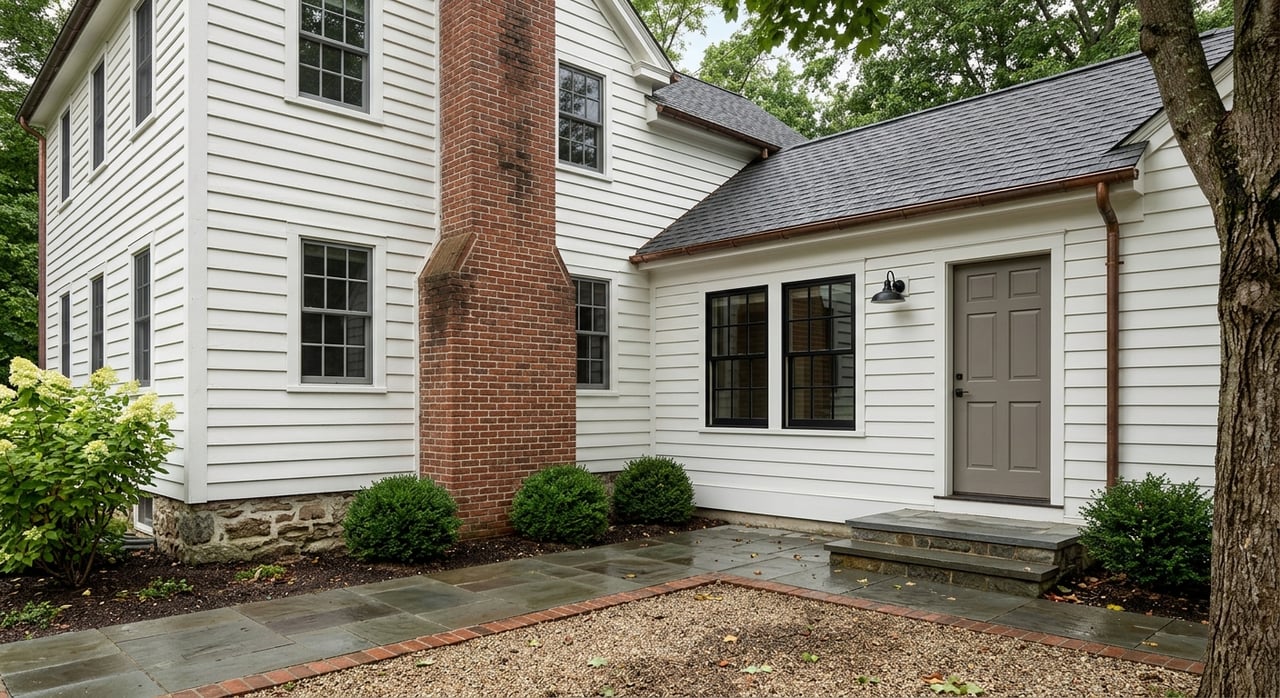
Wondering how one Newtown listing can feel like a piece of early Connecticut history while another looks move-in ready and built for modern life? That mix is part of what makes Newtown so appealing, but it can also make home shopping a little confusing. If you are trying to tell an antique colonial from a Colonial Revival, or a farmhouse from a newer build, this guide will help you read the clues with more confidence. Let’s dive in.
Why Newtown Has So Many Home Styles
Newtown’s housing mix reflects the town’s long history and broad footprint. Settled from Stratford and incorporated in 1711, Newtown spans more than 60 square miles and includes the Borough, Sandy Hook, Hawleyville, Botsford, and Dodgingtown, according to the Town of Newtown. Hawleyville’s role as a late 19th-century railroad center also helped shape the kinds of homes you see across town.
One of the clearest examples is the Borough of Newtown Historic District, where architecture ranges from the early 1700s to the present. The district includes Connecticut saltboxes, Colonial Georgian homes, Federal houses, Greek Revival and Victorian examples, Colonial Revival buildings, and even modern ranches. In other words, Newtown is not a one-style town.
That variety shows up in day-to-day home searches. A buyer looking in Newtown may compare a village antique, a rural farmhouse, and a newer subdivision home all in the same week. Understanding the style behind the listing can help you set better expectations for layout, maintenance, and future updates.
Antique Colonials and Saltboxes
Antique colonials are among the most recognizable older homes in Newtown. In the Borough district and other older parts of town, these homes often feature post-and-beam construction, wood siding, gable roofs, symmetrical facades, and center-chimney plans, based on historic district and National Park Service materials. A rear lean-to often creates the classic saltbox shape.
These homes tend to appeal to buyers who love original character and a strong sense of place. You may notice simple proportions, smaller rooms, and details that feel tied to early New England building traditions. In photos, a centered front door and balanced window pattern are often strong clues.
The trade-off is usually functionality and upkeep. Older homes may have less efficient original building envelopes, more ongoing maintenance needs, and a greater chance of deferred repairs. If the property is within the Borough Historic District, exterior changes may also require a Certificate of Appropriateness, which can affect renovation plans.
How to Spot a Saltbox
A saltbox often looks longer in the back than in the front. The roofline slopes down farther on one side, usually over a rear addition or lean-to. That shape can signal an early house that evolved over time rather than one built from a modern floor plan.
Farmhouses and Rural Homes
Newtown’s rural history shows up in its farmhouses and vernacular homes. Town planning materials highlight places like the Nathan B. Lattin Farm, a mid-18th-century farmhouse tied to a rural historic landscape. The same sources note that barns and carriage houses in town have often been adapted over time while keeping their traditional form.
That matters because a Newtown farmhouse is often more about setting than a single textbook style. You may see a wider lot, outbuildings, additions from different periods, or a layout that changed as household needs changed. These homes can offer flexibility and charm, but they are not always stylistically pure.
For buyers, the biggest appeal is often land, privacy, and visual character. The biggest caution is that an older farmhouse may have mixed-condition systems, aging foundations, or renovation work completed in stages over many years. In photos, look for porches, ell additions, and changes in siding or window types that suggest the house evolved over time.
Greek Revival, Victorian, and Italianate Homes
Newtown’s housing story continues well beyond early colonial architecture. The Borough Historic District includes Greek Revival and Victorian examples, and town planning materials identify the New York Belt and Packing Co. in Sandy Hook as Italianate. These 19th-century homes often feel more decorative and visually expressive than earlier colonials.
Italianate homes are especially easy to spot once you know the signs. According to the National Park Service’s guide to Italianate architecture, common features include low overhanging roofs, decorative brackets under the eaves, and tall, narrow windows. Some also include towers, cupolas, or projecting porches.
For a buyer, these homes can offer historic appeal with more ornament and presence. They may feel less restrained than early colonial homes, while still fitting naturally into older village settings. As with most older homes, style and condition are separate issues, so a beautiful exterior does not always mean recent mechanical updates.
Colonial Revival Homes
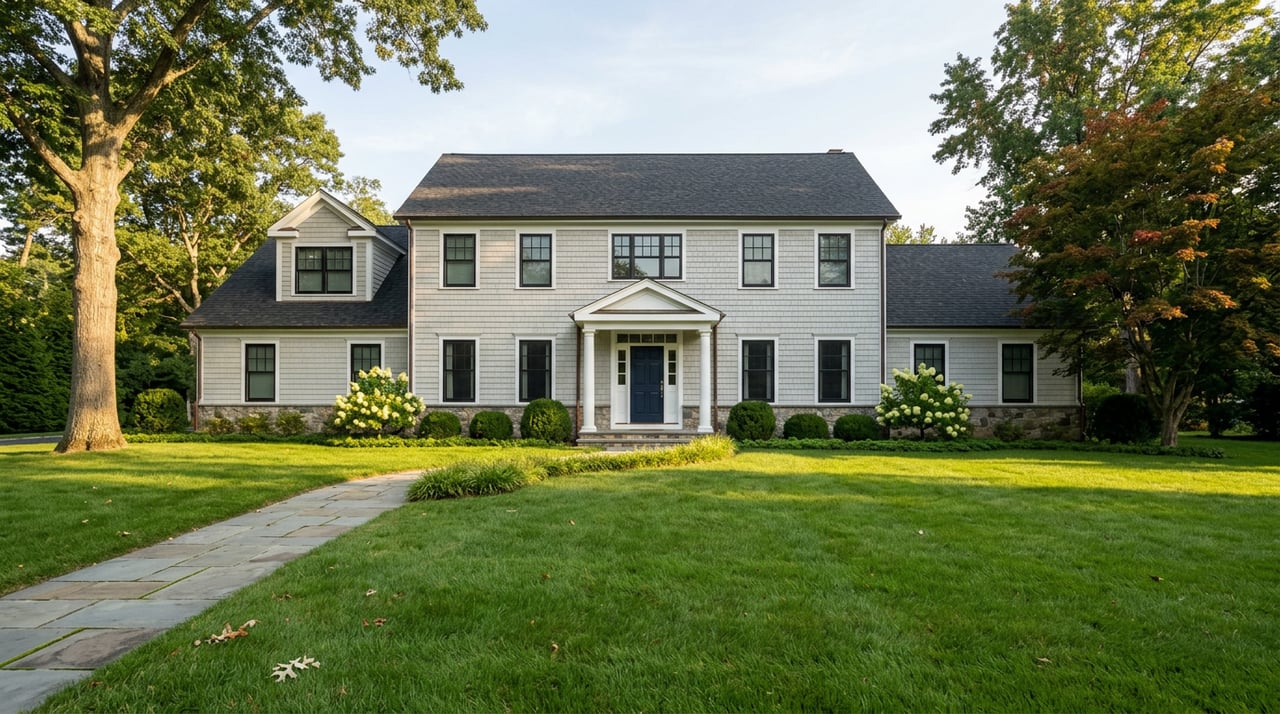
Colonial Revival homes are easy to confuse with true antique colonials, but they are not the same. The National Park Service describes Colonial Revival as a later style that borrows from colonial-era design without copying it exactly. That means you may get the classic look without the same age or construction history.
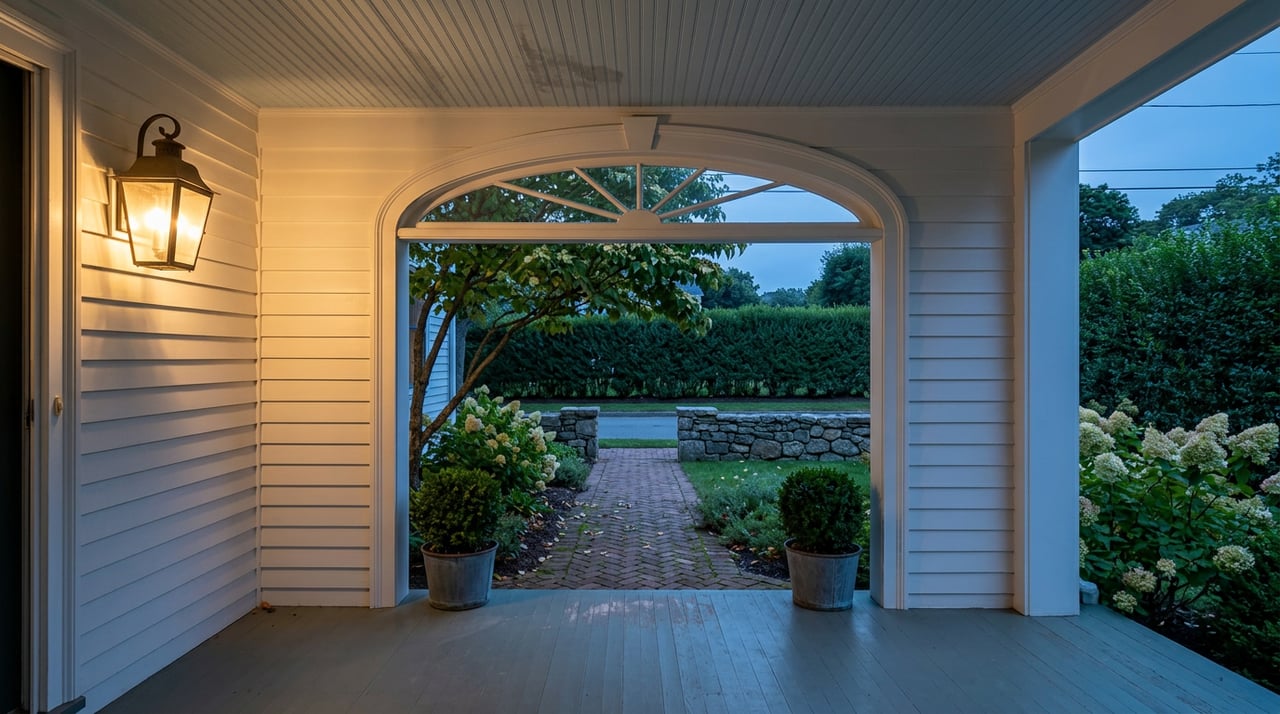
Common clues include symmetry, front porches, fanlights, sidelights, gabled or pedimented windows, and sometimes Palladian windows. These homes often feel larger and more substantial than 18th-century originals. They can be a good fit if you want traditional New England style with a different maintenance profile than a true antique.
This distinction matters in Newtown because many buyers are drawn to the town’s historic feel. A home may look old at first glance while actually being much newer than an antique colonial. That can affect everything from room sizes to insulation to renovation history.
New Builds and Contemporary Homes
Newer construction has its own place in Newtown’s housing mix. The Planning & Zoning Commission oversees subdivision, site development, and zoning changes, while design districts in areas like Sandy Hook and South Main Street help guide redevelopment and infill.
Contemporary homes usually move away from strict symmetry and period detail. Historic architecture sources describe contemporary and International-style homes as favoring asymmetrical plans, large windows, flat roofs, and smooth exterior surfaces. Postwar ranch homes, by contrast, are usually low-slung, one-story, and more garage-oriented.
For buyers, newer homes often offer easier day-one living. You may find more open layouts, larger glass areas, and fewer legacy systems to update. The trade-off is that some buyers feel newer homes do not offer the same layered detail or historic character found in Newtown’s older housing stock.
How to Read Newtown Listing Photos
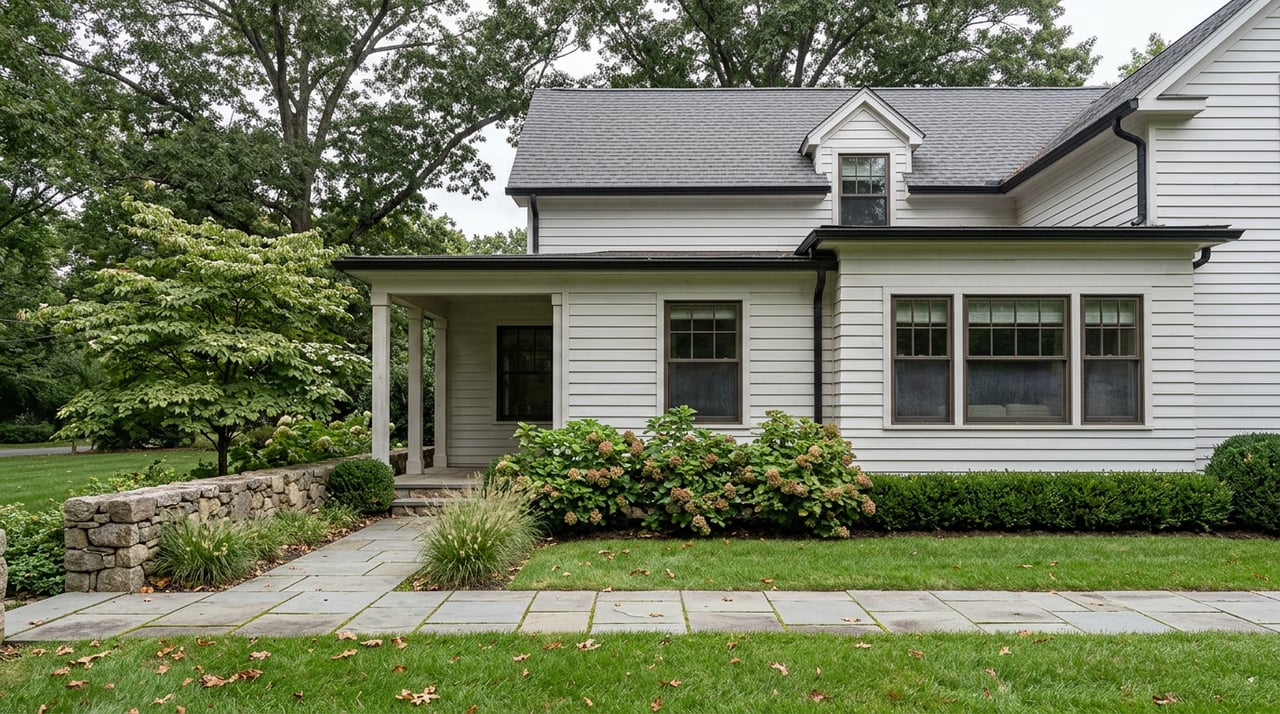
When you are scrolling listings, start with the roofline, windows, and front elevation. A centered door, symmetrical facade, and visible center chimney often suggest an older colonial. A long rear roof slope can point to a saltbox, while brackets and taller narrow windows may suggest Italianate influence.
Next, look for signs of change over time. Dormers, garage attachments, enclosed porches, replacement windows, and mixed siding materials can all signal that an older home has been updated or expanded. The Borough district materials specifically note that many buildings have changed over time and carry later architectural layers.
Then pay attention to the language in the listing. Words like antique, period details, updated mechanics, expanded, or in need of updating often tell you more about condition than style. A house can look historic and still have major recent improvements, or look simple and have an older system behind the walls.
Style vs. Maintenance Trade-Offs
Every home style in Newtown comes with its own balance of charm and responsibility. Antique colonials and older farmhouses often offer mature settings, history, and character that are hard to replicate. They can also require more maintenance, more upgrades over time, and in some cases more review for exterior changes.
Newer homes and contemporary builds usually appeal to buyers who want fewer immediate projects. They may offer more modern layouts and more predictable upkeep in the near term. Still, they may not deliver the same architectural depth or sense of age that draws many buyers to Newtown in the first place.
The real goal is not to choose the “best” style. It is to choose the style that fits the way you want to live. In Newtown, that could mean prioritizing authenticity, convenience, acreage, or a balance of all three.
What This Means for Your Search
Newtown works best when you think of it as a layered market rather than a single look. Within one town, you can find early colonials, evolving farmhouses, 19th-century homes, Colonial Revival properties, ranches, and new construction. That range gives you options, but it also makes it important to read beyond the listing headline.
If you are comparing homes in Newtown, it helps to ask a few simple questions. What era does this home really come from? What updates have already been made? Are you paying for character, convenience, land, or some combination of the three?
A thoughtful home search is about more than square footage. It is about understanding what you are buying and how that home style fits your goals now and over time. If you want help sorting through Newtown’s mix of antique charm and modern living, Heather Lindgren can help you narrow the options and find the right fit for your next move.
FAQs
What are the most common home styles in Newtown, CT?
- In Newtown, you are likely to see antique colonials, saltboxes, farmhouses, Greek Revival and Victorian homes, Italianate examples, Colonial Revival homes, ranches, and newer builds.
How can you tell if a Newtown home is an antique colonial?
- Look for features like a symmetrical facade, centered front door, center chimney, gable roof, and simple early New England proportions.
What makes a Newtown farmhouse different from other older homes?
- Many Newtown farmhouses evolved over time, so they may include additions, outbuildings, and mixed architectural details that reflect changing household needs.
Are there restrictions for homes in the Borough of Newtown Historic District?
- Yes. If a home is in the historic district, some exterior changes may require a Certificate of Appropriateness from the Borough.
Are Colonial Revival homes in Newtown the same as antique colonials?
- No. Colonial Revival homes are a later style inspired by earlier colonial architecture, so they often look traditional but are newer in age and construction.
What should you focus on when reading Newtown home listings?
- Focus on both style clues and condition clues, including roofline, window pattern, additions, updated systems, and wording such as renovated or in need of updating.